
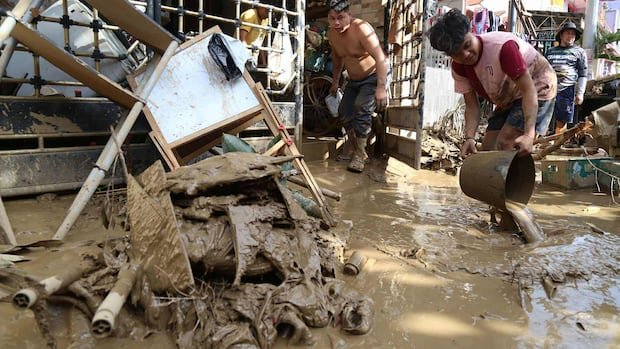

Philippine President Ferdinand Marcos Jr. has announced a state of emergency following the devastating impact of Typhoon Kalmaegi, which has resulted in the loss of at least 114 lives and left 127 individuals missing in central provinces. This natural disaster, the deadliest in the country this year, primarily led to casualties through drowning in flash floods, with a significant number occurring in the heavily affected province of Cebu before the typhoon moved out of the region into the South China Sea.
The widespread effects of the typhoon have affected nearly two million people, leading to the displacement of over 560,000 villagers, with around 450,000 individuals seeking refuge in emergency shelters. The state of emergency declaration aims to expedite the allocation of funds and prevent issues such as food hoarding and price gouging.
Kalmaegi made its way from western Palawan province to the South China Sea with sustained winds reaching speeds of up to 130 km/h and gusts of up to 180 km/h. The majority of the reported fatalities occurred in Cebu, where the typhoon caused flash floods and a rise in river levels, forcing residents to seek safety on their rooftops.
The aftermath of the disaster saw extensive flooding, landslides, and falling debris contributing to the loss of lives. The Office of Civil Defence reported 49 deaths due to floods, alongside fatalities from landslides and falling debris. Additionally, concerns have been raised about the impact of years of quarrying on nearby rivers, exacerbating the flooding in Cebu province.
Amidst ongoing recovery efforts, Cebu province is still grappling with the aftermath of a recent earthquake and has declared a state of calamity to streamline emergency response efforts. Evacuation initiatives and disaster preparedness measures have been crucial in mitigating the impact of the disaster on vulnerable communities.
As Typhoon Kalmaegi heads towards Vietnam and Thailand, authorities are taking preemptive measures to safeguard lives and property, with evacuation plans and relief efforts being put in place. The Philippines, prone to natural disasters, faces the perennial challenge of managing multiple calamities such as typhoons, earthquakes, and volcanic activities on a regular basis.