
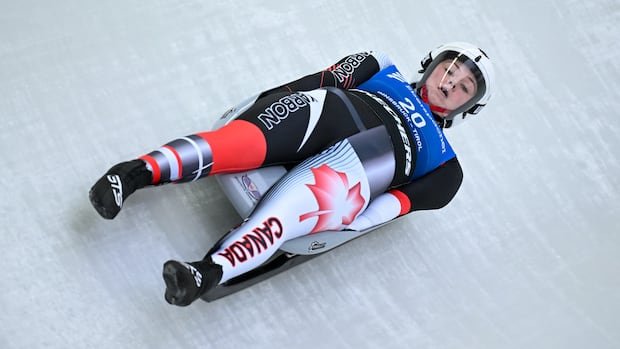

In a perfect scenario, Canadian luger Caitlin Nash would be reaching her peak by the time of the 2030 Olympics. However, Nash is concerned that she might not even have the opportunity to compete.
Nash, 23, expressed her financial struggles to sustain her current lifestyle for an extended period. She finds it disheartening that the decisions impacting her career are beyond her control. Nash anticipates that without changes, many athletes across various sports in Canada may retire following the current quadrennial cycle.
Over the last two decades, core funding for sports from the federal government has remained stagnant despite a significant increase in inflation. This has led to a situation where national sport organizations (NSOs) are facing impending funding cuts, putting a strain on their operations and increasing costs for athletes at all levels.
Nash highlighted the escalating expenses she faces, such as team fees reaching $25,000 for the current Olympic season, which is a substantial increase from the previous year. Similarly, other athletes like those in Bobsleigh Canada Skeleton (BCS) have experienced significant fee hikes, with team fees rising to $25,000 this season compared to $2,000 in 2022.
Even Olympic medallists like speed skater Isabelle Weidemann are grappling with financial burdens due to the funding crisis. The lack of adequate funding has resulted in athletes bearing additional costs that were previously covered, leading to mounting debts and challenges in sustaining their athletic pursuits.
Adam van Koeverden, the Olympic sprint kayak champion and current secretary of state for sport, emphasized the need for a more substantial investment in sports from all sectors, including increased federal funding. Despite some proposed investments in sport programs, the overall funding falls short of what organizations like the Canadian Olympic Committee (COC) have advocated for.
The financial constraints extend to athletes as well, with the Athletes Assistance Program providing minimal support that is insufficient to cover essential expenses like team fees. Athletes and NSOs are increasingly reliant on private sector funding and sponsorships to bridge the gap left by inadequate government support.
The complex sport funding system in Canada faces challenges in convincing corporate sponsors of its worthiness, while NSOs struggle to secure necessary funding to support athletes adequately. The ongoing funding crisis poses a threat to the sustainability of sports organizations and risks losing talented athletes due to financial constraints.