
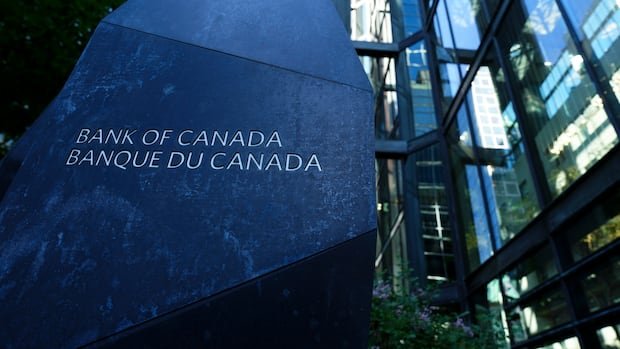

The Bank of Canada decided to maintain its key interest rate at 2.25 percent on Wednesday to address economic uncertainties and prevent excessive inflation. This decision marks the fifth consecutive rate hold by the central bank due to various complicating factors affecting the economy.
The ongoing conflict in the Middle East has led to increased energy prices, contributing to inflation and raising living costs for Canadians. Despite this, the bank mentioned that there is limited evidence of the elevated energy costs translating into higher consumer prices overall.
During a post-release news conference, Bank of Canada governor Tiff Macklem emphasized that prolonged high oil prices could eventually impact the broader economy, necessitating rate adjustments. The country’s inflation rate rose to 2.8 percent in April, with expectations that it will stabilize around three percent before gradually moving towards the two percent target.
While Canada experienced a drop in the unemployment rate in May and potential job growth, Macklem highlighted the volatility in monthly figures and minimal net job changes since January. Additionally, new tariff threats from the U.S. continue to pose challenges to the economy.
The central bank faces a delicate balancing act between economic weakness and rising inflation. Macklem stated that adjusting the interest rate to curb inflation could further slow down the economy, while reducing the rate might exacerbate inflation. Thus, maintaining the current policy rate is seen as a balancing act to manage these risks.
Economists anticipated the bank’s decision to maintain the rate, with few surprises in the announcement. The bank’s cautious stance is influenced by uncertainties such as the trade war with the U.S. and the conflict in the Middle East, which could prompt adjustments in interest rates in the future.
Despite a slight contraction in Canada’s GDP in the first quarter, Macklem believes the economy is weak but not definitively in a recession. Most economists define a recession as a significant broad-based decline in economic activity over at least one quarter, which has not been the case for Canada. The bank expects economic growth to rebound in the second quarter of 2026, with predictions of continued rate stability throughout the year.