
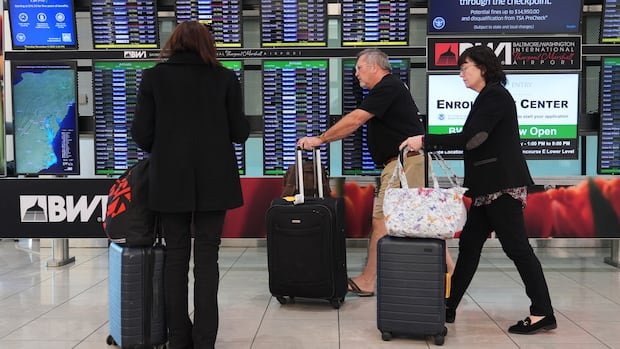

U.S. airlines initiated the cancellation of numerous flights on Thursday in response to the Federal Aviation Administration’s efforts to decrease traffic at the nation’s busiest airports due to the ongoing government shutdown. By Thursday evening, FlightAware reported over 760 flights had been removed from Friday’s airline schedules.
The FAA’s decision affected 40 airports across more than 26 states, including major hubs like Atlanta, Dallas, Denver, Los Angeles, and Charlotte, N.C. Multiple airports in metropolitan areas such as New York, Houston, Chicago, and Washington will also experience impacts.
In an official order published on Thursday evening, the FAA announced that flight reductions would commence at four percent on Friday and gradually increase to 10 percent by November 14. These reductions, operational between 6 a.m. and 10 p.m. local time, will apply to all commercial airlines.
The move aims to ensure safety as air traffic controllers are showing signs of strain amidst the shutdown. Simultaneously, the Trump administration is intensifying pressure on Congressional Democrats to resolve the shutdown.
Air traffic controllers, who have been working without pay since October 1, are facing increased challenges, including fatigue and unpredictable staffing shortages, leading to heightened risks in air operations, as stated in the FAA order.
Before the reductions took effect, airlines were scrambling to adjust their schedules. American Airlines announced a four percent reduction at listed airports from Friday to Monday, amounting to about 220 cancellations daily, with plans to reach the 10 percent target. International flights are expected to remain unaffected.
The flight cutbacks just ahead of the upcoming holiday season have prompted some travelers to alter their plans or explore alternative options. The impact is predicted to be significant across the U.S. air transportation system, according to industry analyst Henry Harteveldt.
Airlines are striving to minimize customer disruptions, with United, Delta, and American offering refunds to passengers with non-refundable tickets who choose not to fly. Frontier Airlines suggested travelers purchase backup tickets with other carriers to avoid being stranded.
The reductions may also impact package deliveries, as two airports with major distribution centers, Memphis, Tenn., and Louisville, Ky., are included on the list. Cirium estimates that up to 1,800 flights and over 268,000 passengers could be affected daily.
U.S. Travel Association President and CEO Geoff Freeman expressed concerns over the strain the shutdown is placing on the air travel system, damaging confidence in the experience. Kelly Matthews, a frequent flyer from Michigan, empathized with federal airport employees facing financial hardships due to the prolonged shutdown.
Airlines are accustomed to managing sudden flight cancellations during severe weather events, but these ongoing reductions will persist until safety concerns are addressed and resolved.