
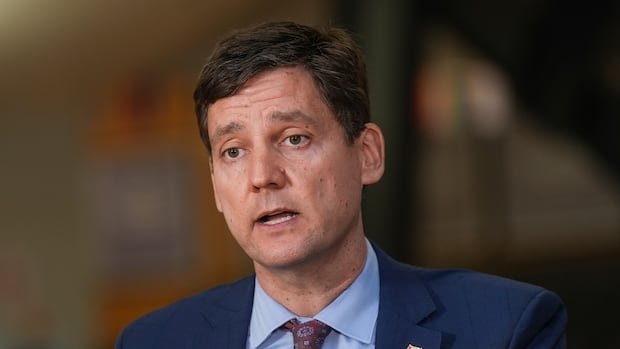

British Columbia Premier David Eby has decided against implementing new retaliatory actions in response to the recent U.S. tariff on softwood lumber. Eby emphasized the importance of maintaining the existing countermeasures, such as the removal of American alcohol from B.C.-run liquor stores and exclusion of U.S. companies from public procurement. These measures will persist until a resolution is reached through negotiations with the U.S.
Following the imposition of a 10% tariff on Canadian lumber by the U.S., Eby urged the federal government to intervene and protect forestry workers facing the brunt of these tariffs. Industry Minister Mélanie Joly assured that support for the softwood lumber sector, including financial assistance backed by the Business Development Bank of Canada, will be forthcoming.
Andy Rielly, chair of the Independent Wood Processors Association of British Columbia, highlighted the gravity of the situation, stressing the potential long-term impact on small and medium-sized lumber companies in B.C. Eby expressed concerns about the disproportionate focus on Ontario and Quebec in federal discussions, urging unity among all provinces to bolster the national economy.
Despite calls from Ontario Premier Doug Ford for aggressive action against the U.S., Prime Minister Mark Carney emphasized the importance of ongoing negotiations over retaliatory measures. Carney underscored the need for dialogue, stating that current bilateral talks show promise in resolving the trade dispute.
As tensions linger in the Canada-U.S. trade conflict, Eby emphasized the necessity for all provinces to align their efforts under “Team Canada,” even amidst differing opinions on strategies. Maintaining a unified front while addressing regional concerns is pivotal in navigating the challenges posed by the ongoing trade war.