
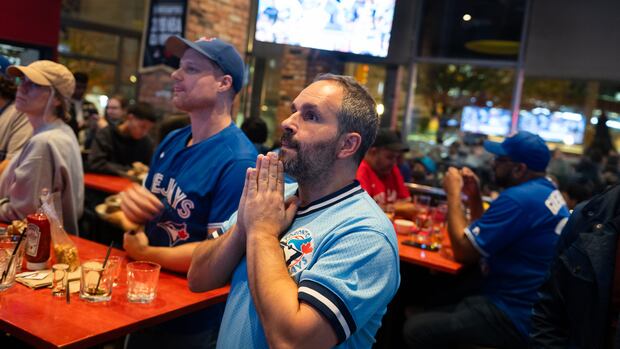

The tense moments when a Dodgers pitcher faces off against a Blue Jays batter evoke a real physical response in fans, akin to any other intense stress reaction, according to doctors who have experienced the adrenaline rush themselves.
This phenomenon, dubbed “fanxiety” by one cardiologist, is prominently featured in short clips circulating on social media, depicting individuals pacing in their living rooms, throwing soft items at screens, or shielding their eyes during critical moments in sports such as baseball, football, hockey, soccer, and more.
As fans engage with their favorite teams, their senses gather input that sends signals to the brain, which prepares the body for a reaction due to the emotional investment, according to Greg Wells, a researcher at Sick Kids Hospital in Toronto specializing in exercise physiology.
“I teach techniques to remain calm and composed under pressure,” Wells shared in an interview. However, he confessed that while watching games, “I throw things, I yell, I get frustrated. But I enjoy it.”
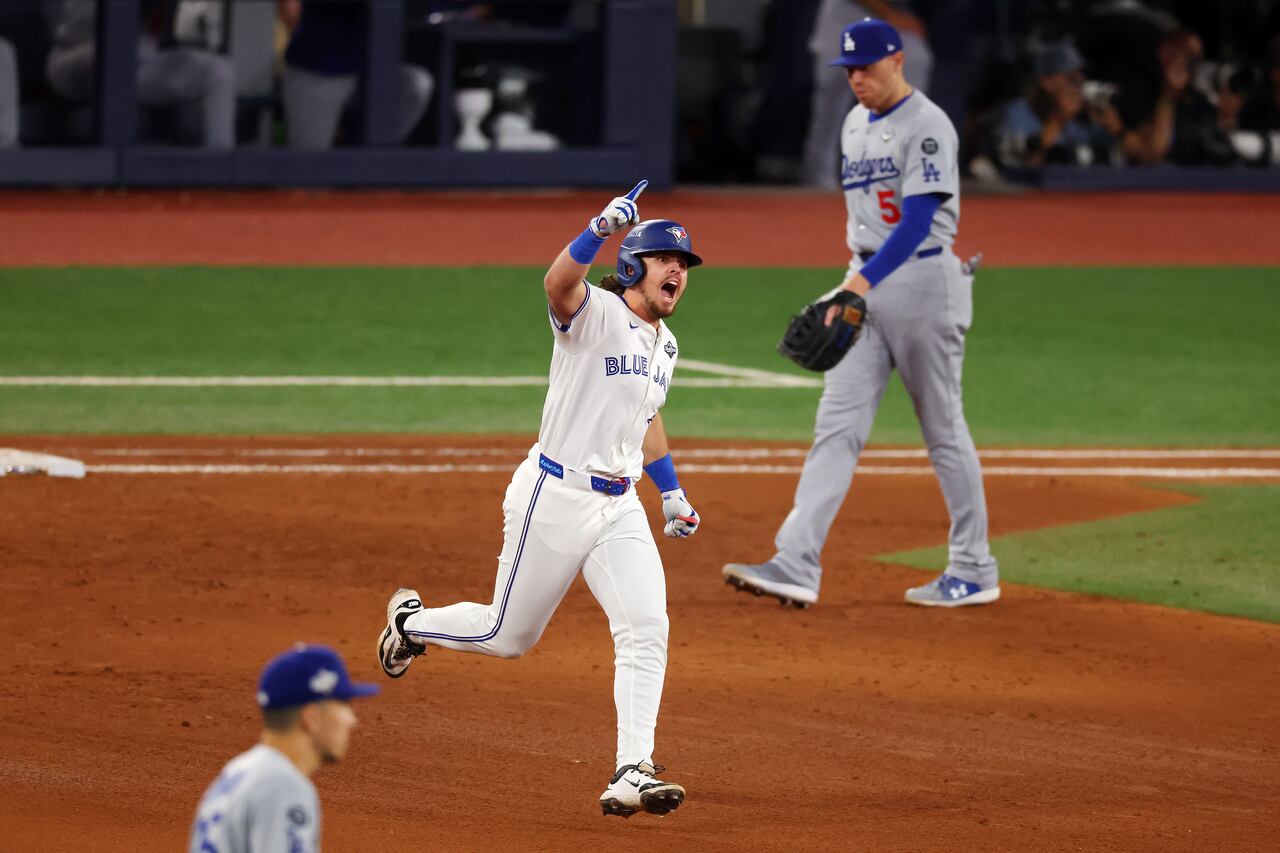
Addison Barger of the Blue Jays rounds the bases after hitting a grand slam against the L.A. Dodgers in Game 1 of the World Series, a moment that likely triggered endorphin release in many fans. (Gregory Shamus/Getty)
When an event plays out favorably, the emotional investment leads to feelings of happiness as endorphins flood the brain and body, Wells clarified. Conversely, if the outcome is unfavorable, the emotional discomfort is equally significant.
An extended showdown between pitcher and batter can create anxiety for onlookers, Wells noted, as the uncertainty of the outcome heightens tension. This results in increased heart rate, elevated breathing, and higher blood pressure as the body gears up for a fight-or-flight response, influenced by hormones such as adrenaline.
“Cortisol and adrenaline surge through your body, preparing you for action as if you are facing a real stressor,” Wells explained.
When an individual feels threatened, their blood pressure and awareness levels unconsciously rise; they might begin to sweat or shake, and cortisol initiates the release of glucose from the liver to provide a quick energy boost.
Several minor studies have also gathered insights on fans during high-pressure games.
LISTEN | Why yelling at the TV during a game may take a toll on your heart:
Viewing from Home as ‘a Moderate Workout’
The body’s reaction while watching a game, even without an actual threat, often results in simply sweating it out, stated Dr. Jacob Udell, a cardiologist at Women’s College Hospital and Toronto General Hospital.
“Research indicates that being present at a live event, in person, is akin to engaging in a strenuous workout,” Udell remarked, adding that he has firsthand experience as a Blue Jays fan.
“Conversely, watching from home is like a moderate workout,” regarding heart rate increases, he explained.

Cardiologist Dr. Lori West discusses #TheMoment she entered a Calgary cafe filled with former patients and families touched by her groundbreaking pediatric heart transplant research.
For most individuals, heightened heart rates or blood pressure during a game are not clinically significant, according to Udell.
However, for those with a history of heart conditions or risk factors such as arrhythmias, he emphasized the importance of adhering to prescribed medications.
“These types of scenarios, particularly at their most intense, can elevate blood pressure, heart rate, and stress levels. This could push someone who is vulnerable to potentially experience chest pain or angina, or cause racing hearts and palpitations. Vigilance is crucial,” he advised.
Medical experts recommend that if any concerning symptoms arise, seek medical assistance immediately.
Traditional stress-relief techniques, such as box breathing and envisioning a tranquil setting, can significantly alleviate pressure on the cardiovascular system, Udell noted, applicable during stressful situations like heavy traffic, dealing with overdue bills, or watching a nerve-wracking baseball game.
“Pace yourselves,” he advised. “It’s a marathon, not a sprint. Aim to enjoy the experience.”