
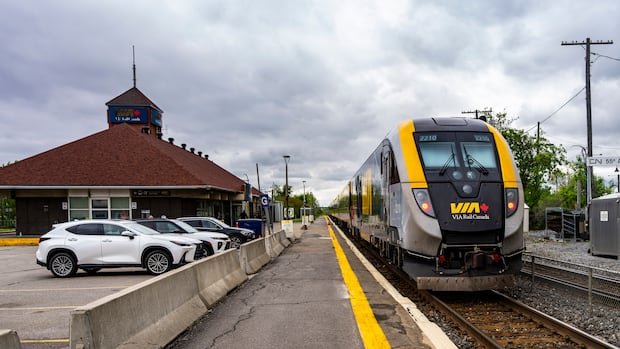

Natalie Crenna, like many others, relocated from a major city to a smaller town amid the COVID-19 pandemic for cheaper housing and proximity to family. However, the rising costs of commuting on Via Rail trains from her current location in Belleville, Ont., to Toronto have prompted her to reconsider her living situation. Crenna shared with CBC News that she is shelling out approximately $1,200 per month on train tickets. This financial burden has led her to contemplate her upcoming mortgage renewal in the new year.
Numerous passengers, including Crenna, have voiced concerns about Via Rail’s pricing impacting their travel decisions. The issue lies not in an overall increase in ticket prices, but rather in Via’s dynamic pricing model and limited booking options, leaving frequent commuters with no choice but to pay more for their journeys into major cities like Toronto.
Via Rail defended its pricing strategy, explaining that fares are influenced by factors such as train capacity and proximity to the departure date. The company recommended booking about two weeks in advance or selecting off-peak travel times for the best rates. However, passengers like Richard Stoltenberg from Cobourg, Ont., highlighted the unpredictability of work schedules, sometimes resulting in exorbitant mid-week travel costs.
While Via Rail has acknowledged a modest 2.5% rise in average economy ticket prices along the Quebec City-Windsor corridor, critics like Tim Hayman from Transport Action Canada argue that the pricing structure has become more volatile since the overhaul of Via’s reservation system in late 2023. This shift towards advanced yield management has led to fluctuating fares, making rail travel less affordable for regular commuters.
Despite Via Rail’s introduction of discount cards for frequent travelers, some passengers feel that the savings are minimal and not always applicable to the least expensive fare class. Sonja Smith from West Lorne, Ont., lamented the escalating prices, making rail travel increasingly unaffordable for her work-related trips to Toronto.
Commuters like Crenna emphasized the lack of flexibility and affordability in Via Rail’s current pricing model, making long-term commuting unsustainable. The removal of commuter passes and limited train schedules have further exacerbated the challenges faced by regular rail travelers.
In conclusion, Via Rail passengers are grappling with the financial strain of train travel, prompting many to seek alternative transportation options due to the increasing costs and limited affordability associated with the current pricing structure.