
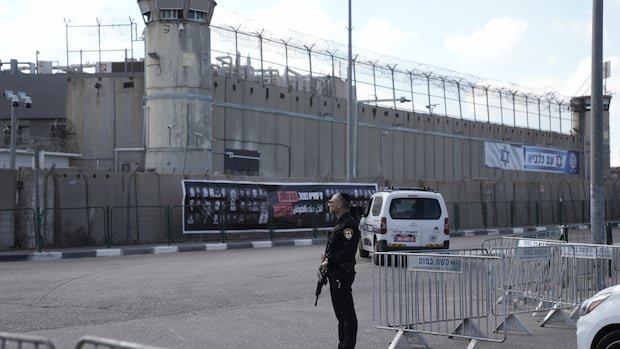

The death toll of Palestinians in Israeli custody has risen to close to 100 individuals since the onset of the conflict in Gaza, as per a recent report by a human rights organization. The report by Physicians for Human Rights – Israel (PHRI) aligns with findings by The Associated Press, highlighting systemic violence and inadequate medical attention in prisons and detention facilities as contributing factors to numerous deaths.
PHRI’s documentation shows that out of the 98 prisoner deaths recorded since the October 7, 2023, incident that triggered the conflict, 27 occurred in 2023, 50 in 2024, and 21 this year, with the latest on November 2. The organization suggests that the actual death toll is likely higher due to Israel withholding information on numerous detainees during the conflict.
Before the conflict, fewer than 30 Palestinians passed away in Israeli custody over a decade. However, the prison population more than doubled during the conflict to 11,000, mainly comprising individuals from Gaza and the West Bank. The rate of prisoner deaths escalated even more rapidly during this period, according to PHRI data.
Interviews with former detainees and prison medical staff, examination of autopsy reports, and freedom of information requests were methods used by PHRI to document the deaths. PHRI’s director, Naji Abbas, expressed concern over the high death rate in Israeli custody, emphasizing a lack of moral and professional boundaries within the system.
Despite claims by Israel’s Prison Service that it operates within legal parameters, it declined to comment on the death count, redirecting inquiries to the Israeli army. The army acknowledged detainee deaths, attributing some to pre-existing conditions or combat-related injuries. Allegations of abuse or substandard conditions are reportedly investigated, with violators facing disciplinary action and potential criminal probes.
A former guard at the Sde Teiman military prison in southern Israel revealed that the facility earned the moniker “graveyard” due to the significant number of prisoner deaths. The guard admitted to participating in physical assaults on prisoners and recounted an instance during the conflict when a motionless Palestinian was found dead in the yard without immediate attention from guards.
The guard highlighted a culture of brutality within the prison, where prisoners were routinely chained and subjected to beatings for minor actions. Commanders instructed guards to reduce the death toll, leading eventually to the installation of cameras to curb abuse.
PHRI reported 29 deaths at Sde Teiman since the conflict began, with an Israeli soldier convicted of mistreating Palestinians at the facility. However, legal representatives for prisoners argue that Israel rarely conducts thorough investigations into reported violence, exacerbating the issue.
The resignation of Israel’s top military lawyer following a leaked video depicting severe abuse against a Palestinian at Sde Teiman underscores the challenges of accountability within the Israeli military. Indictments have been issued in connection with the incident, which remains unresolved in military court.
Instances of physical abuse and medical neglect were observed in autopsies and reports provided to families of deceased prisoners. One such case involved a 45-year-old man at Kishon detention center, Mohammad Husein Ali, who displayed signs of physical trauma, possibly resulting in a brain hemorrhage. His family emphasized his deteriorating health while in detention, with his wife recounting the emotional toll on their young daughter.
Overall, the situation in Israeli prisons during and after the Gaza conflict has raised concerns about the treatment of Palestinian detainees and the need for increased accountability and transparency within the system.