
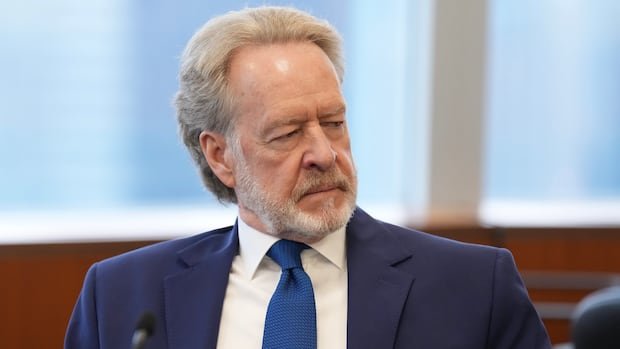

Canada’s former chief trade negotiator predicted on Monday that a tariff agreement between Ottawa and Washington is unlikely to be reached before the U.S. midterm elections. Steve Verheul, who led the Canadian talks during the renegotiation of the North American free trade pact in Trump’s first term, expressed this view during an online business event. He suggested that discussions might extend beyond the midterms and potentially into the following year, speculating on the possibility of a deal if the Trump administration seeks a political victory before the fall polls.
Verheul highlighted that both Canada and Mexico have indicated their preference for extending the Canada-U.S.-Mexico Agreement (CUSMA) beyond 2036, while the U.S. might opt for rolling annual reviews or invoke a clause to exit the agreement with six months’ notice. Although President Trump has expressed reservations about CUSMA, there is significant backing within the U.S. for renewing the trade pact, particularly from public, business, and political sectors.
Addressing the challenges faced by Canada, Verheul emphasized the importance of tackling high U.S. sectoral tariffs on steel, aluminum, autos, and other commodities. He criticized the lack of a favorable deal for Canada on the table and questioned the sustainability of tariff agreements made by other countries with the Trump administration. Despite ongoing uncertainties, CUSMA continues to shield most Canadian exports from U.S. tariffs, indicating the value that the U.S. places on maintaining the agreement.
Economically, BMO’s chief economist Doug Porter expressed doubts about the U.S. scrapping the agreement, given the minimal growth in the economy over the past year attributed to U.S. tariffs impacting Canadian exports. While Canada faces economic challenges, BMO’s forecast suggests a struggle for growth in 2026 before a potential rebound in 2027, assuming the U.S. tariff stance remains largely unchanged in the near future.