
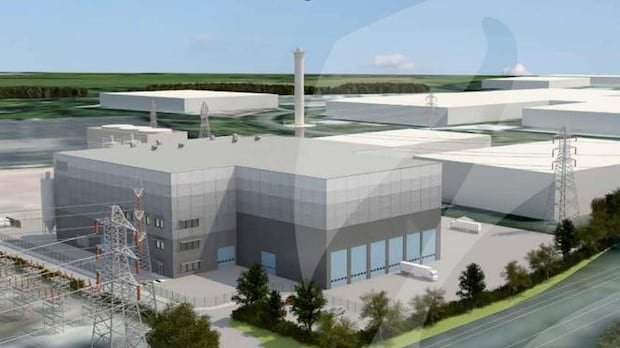

A proposed $400 million facility in Edmonton aimed at converting landfill waste into electricity faces potential cancellation following a recent carbon tax agreement between Alberta and federal governments. The initial plan for a national industrial carbon price to hit $170 per tonne by 2030 was revised to reach $130 per tonne by 2040 under a new deal by Prime Minister Mark Carney and Alberta Premier Danielle Smith.
The altered carbon pricing policy is jeopardizing Varme Energy’s waste-to-energy project, which involves capturing greenhouse gases and storing them underground while generating sellable carbon credits. The decreased carbon price diminishes the value of these credits, prompting Varme Energy’s CEO Sean Collins to warn of potential project termination without further government policy adjustments.
The agreement signed by Carney and Smith includes broader initiatives to reduce methane emissions, streamline regulatory processes for major projects, and explore a new oil export pipeline to the West Coast. The reduced carbon price was advocated by some large industrial companies to maintain competitiveness against U.S. counterparts without carbon taxation.
The impact of the slower and lower carbon price trajectory in Alberta is expected to deter investments in emissions reduction projects, according to Canadian Climate Institute researcher Ross Linden-Fraser. Varme Energy, having secured agreements with Edmonton’s landfill and necessary permits, is now seeking government intervention to sustain its project amid financial uncertainties.
Varme Energy, a subsidiary of a Norwegian clean energy firm specializing in waste diversion projects, aligns with federal priorities of foreign investment attraction, emission reduction, and clean energy production. The evolving carbon capture landscape, influenced by varying project sizes and operational costs, underlines the challenges faced by companies like Varme Energy and Torchlight, a bioenergy developer in Nova Scotia.
The federal government’s commitment to a structured carbon market with a minimum credit price aims to foster investment, emission reduction, and industry competitiveness. While industry stakeholders hope for enhanced policy support to bolster carbon credit values, uncertainties persist regarding market dynamics and regulatory loopholes that may impact carbon pricing obligations.
As Varme Energy navigates the evolving policy landscape, the company faces critical decisions on project viability in the absence of supportive fiscal policies. The outcome hinges on potential government interventions to sustain the carbon capture sector and enable projects like Varme Energy’s landfill-free energy initiative to materialize.