
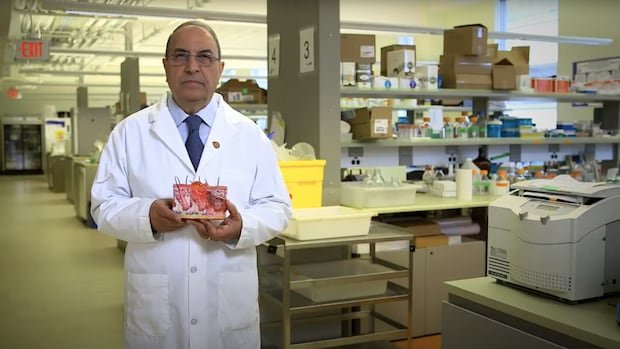

A Vancouver researcher, Aziz Ghahary, came under scrutiny for allegedly fabricating data to promote his skin treatment, Meshfill, as a cure for chronic pressure ulcers. An investigative report revealed that Ghahary misrepresented study results, failed to disclose adverse effects, and engaged in various instances of misconduct during a clinical trial.
The leaked report, authored by an investigative committee appointed by the University of British Columbia (UBC), accused Ghahary of compromising scholarly integrity in his pursuit to promote Meshfill as a treatment for pressure ulcers. Despite Ghahary’s claims of successful wound healing, the study found that none of the pressure wounds in the trial had healed, with some even becoming infected.
Following the investigation’s completion in 2021, Ghahary left his position at UBC, where he had worked since 2005. The lack of public disclosure about the findings has raised concerns about scholarly integrity and transparency. Leigh Turner, from the University of California, Irvine, emphasized the seriousness of the report’s findings and the need for accountability and transparency in academic research.
UBC spokesperson, Matthew Ramsey, cited privacy laws in declining to comment on the allegations against Ghahary. Ghahary’s lawyer, Tarek Elneweihi, stated that his client, now retired, is bound by confidentiality obligations preventing him from addressing the report’s contents. Meshfill, the subject of the controversy, never made it to the Canadian market and is distinct from a cosmetic procedure advertised online.
Jocelyn Maffin, from Spinal Cord Injury B.C., expressed disappointment over the false hope created by Ghahary’s claims about Meshfill’s healing capabilities. Pressure ulcers, common among individuals with spinal cord injuries, pose significant health risks and impact quality of life. The report highlighted concerns about the integrity of clinical trials, confidentiality breaches, and the need for transparency in research practices.
The investigation into Ghahary’s conduct, initiated in 2019, revealed a pattern of alleged data falsification, conflicts of interest, and misconduct. Despite his previous accolades in the field of plastic surgery and wound healing research, Ghahary’s actions have cast doubt on the integrity of scientific research and the trustworthiness of health experts. The aftermath of the Meshfill controversy underscores the importance of maintaining ethical standards and transparency in academic research.