
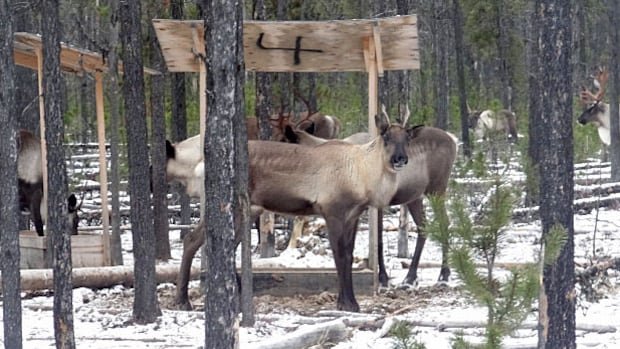

A recent ruling from B.C.’s Environmental Appeal Board (EAB) has sparked a debate over the definition of “hunting” and its implications on wildlife biologist Doug Heard’s actions towards an endangered caribou herd in northern B.C. Heard, a former provincial government wildlife biologist and adjunct professor at the University of Northern B.C., has dedicated the past decade to rehabilitating an endangered caribou herd at Kennedy Siding, a crucial 223-hectare habitat for the threatened woodland caribou near Mackenzie, B.C.
The controversy arose when Heard was found using a “cable caster” device to collect caribou hair for DNA samples at a feeding station, a method deemed illegal by Ministry of Water, Land and Resource Stewardship officials. Despite having a permit to collect DNA samples from caribou hair and fecal pellets, Heard was prohibited from directly removing hair from the animals.
Following an appeal, the EAB released a ruling on May 7, concluding that Heard’s actions fell under the definition of illegal hunting according to B.C. law as outlined in the Wildlife Act. The Act includes pursuing animals with the intent of capturing any part of them, even just hair, regardless of whether the animal is harmed or captured.
The tribunal upheld the Ministry’s decision, stating that permitting Heard’s actions would set a precedent for individuals to target and track wildlife with the sole purpose of extracting specific body parts without facing consequences. Despite Heard’s arguments that his methods were less invasive than previous attempts, the board emphasized the need for non-disruptive sampling techniques to minimize disturbance to the caribou population.
Heard’s wildlife permit was revoked, but he became eligible to reapply as of May 2. When contacted for comment, he declined to speak on the matter.