
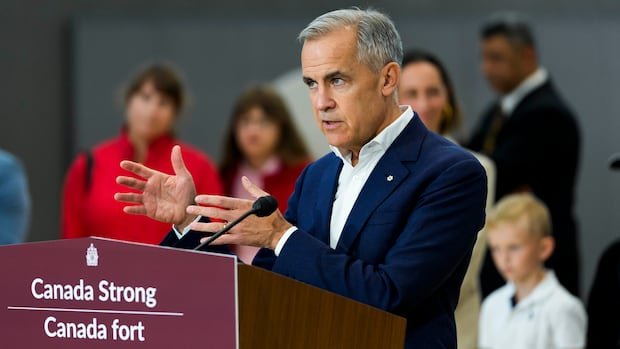

Prime Minister Mark Carney mentioned on Friday that the future of the emissions cap for oil and gas producers hinges on efforts to reduce emissions, indicating a possible reconsideration of the policy. This represents a departure from his earlier commitment to the cap. When questioned in Ottawa, Carney discussed the potential abandonment of the cap and the tanker ban on the B.C. coast, measures that the oil and gas industry and the Alberta government have urged Ottawa to rescind.
Carney emphasized the government’s objective of decreasing emissions in the energy, mining, and manufacturing sectors to enhance global competitiveness. He stated that the decision on the emissions cap and other measures depends on the outcomes achieved, highlighting the government’s focus on results rather than just objectives.
In March, Carney had declared his intention to uphold the emissions cap, although he expressed interest in exploring alternative ways to lower emissions. The emissions cap, scheduled to come into effect in 2030, mandates that upstream oil and gas operations reduce emissions to 35% below their 2019 levels. Ottawa introduced draft regulations last year, which were delayed by two years.
Canada has committed under the Paris climate agreement to reduce emissions by at least 40% below 2005 levels by 2030. Carney and his ministers have avoided discussing this specific target, instead emphasizing Canada’s aim to achieve net-zero emissions by 2050. The emissions cap forms a crucial part of Canada’s strategy to meet these targets, with the oil and gas sector responsible for approximately 30% of total greenhouse gas emissions.
Recent reports indicate that Canada is not on track to achieve its 2030 emissions reduction goal, with emissions currently standing around 8.5% lower than in 2005. Carney revealed ongoing discussions with Alberta Premier Danielle Smith regarding a potential “grand bargain,” linking Alberta’s pipeline aspirations to the completion of the Pathways Alliance carbon capture project.
When asked about supporting a new pipeline to the West Coast, Carney emphasized the government’s endorsement of nation-building projects, including energy initiatives that align with climate objectives and benefit Indigenous communities. The ongoing dispute between Smith and B.C.’s Premier David Eby over pipeline plans has added complexity to the situation.
Despite the possibility of developing new pipeline projects, challenges persist, particularly if the emissions cap remains unchanged. Critics argue that even projects like the Keystone XL pipeline revival face obstacles if the government maintains its stance on emissions regulations.