
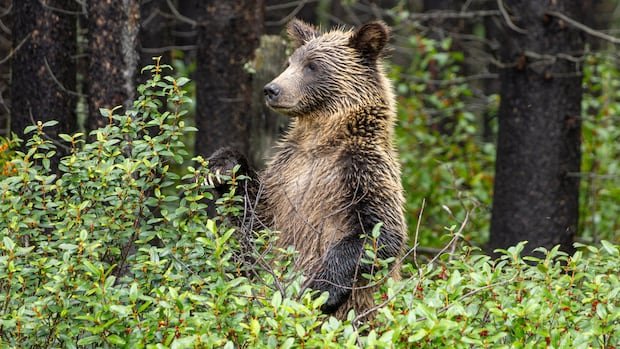

Conservation groups are questioning recent appeals for the Alberta government to permit the first grizzly bear hunting season in two decades, stating that such calls lack scientific justification. The Rural Municipalities of Alberta (RMA) passed a policy resolution last month urging the provincial government to introduce a regulated grizzly bear hunt administered through a draw system. However, conservationists emphasize the necessity for a science-based approach to grizzly bear management due to the absence of recent population research.
The Alberta Wildlife Federation expressed conditional support for a “limited harvest” of grizzly bears if it aligns with a comprehensive management plan. They emphasized the importance of a regulated hunt grounded in sound science, aiming to maintain the grizzly bear population while addressing human safety and property protection needs.
The RMA’s push for a grizzly bear hunt is fueled by reported spikes in human-bear interactions in southwestern Alberta, notably highlighted by an incident where a fisherman was injured by a grizzly with cubs near Cardston last summer. This advocacy, supported by a majority of RMA’s membership comprising over 60 rural Alberta counties and municipal districts, underscores concerns over escalating encounters between humans and bears.
Alberta Wilderness Association’s conservation specialist Ruiping Luo emphasized the need for updated population data to justify a grizzly bear hunt, citing a lack of recent information on current grizzly bear numbers. The organization’s stance is rooted in the belief that without accurate population assessments, factors like habitat loss due to development or increased human activity in bear habitats could be misconstrued as a rise in grizzly bear numbers.
Furthermore, the Alberta government’s designation of grizzly bears as a threatened species in 2010, with estimates indicating fewer than 1,000 mature adults in the province, adds complexity to calls for hunting these animals. While the province noted an increase in the grizzly population from around 800 to over 1,150, leading to their movement into more populated areas, hunting grizzly bears has been prohibited in Alberta since 2006, except for Indigenous hunting for subsistence or cultural reasons.
Conservationists stress the importance of evidence-based decisions in wildlife management, advocating for non-lethal measures and enhanced funding for research, conflict mitigation, and community safety initiatives. They call for continued monitoring of grizzly bear populations to make informed decisions and address conflicts effectively.
Efforts to conduct updated grizzly bear population research face challenges, with financial constraints hindering comprehensive studies. Biologists and wildlife experts emphasize the necessity for ongoing monitoring and data collection to ensure the sustainable management of grizzly bear populations. Collaborative approaches, such as involving local communities in research initiatives, are suggested as cost-effective strategies to gather essential data for informed decision-making and conservation efforts.