

This article is a segment of Mind Your Business, a weekly review of significant business news sent to subscribers every Monday morning. If you haven’t subscribed yet, you can do so by clicking here.
Resolving the conflict in the Middle East marks an initial step, but the real challenge lies in sustaining the agreement and reviving global energy supplies.
Upon announcing the agreement, U.S. President Donald Trump communicated through his Truth Social platform, stating, â(I) authorize the immediate removal of the United States Naval blockade. Ships of the World, start your engines. Let the oil flow!â
While the specifics of the deal are undisclosed, the timeline for resuming oil flow accelerated. Trump now anticipates the opening of the Strait of Hormuz later this week upon the deal’s signing on Friday.
However, experts caution that restoring oil flow entails more than a mere understanding on paper.
Industry specialists predict a lengthy recovery period before energy markets stabilize.
Challenges in Supply Chain Restoration
Under normal circumstances, approximately 20 million barrels of oil transit the strait daily. Throughout the 100-day conflict, a substantial void emerged in global oil supply.
While some shipments managed to navigate alternative routes, a significant amount of oil remains unaccounted for.
Repairing the disrupted supply chain poses a massive logistical hurdle, necessitating extensive efforts to resume operations. Infrastructure in the Persian Gulf suffered substantial damage, with production facilities targeted and destroyed in airstrikes.
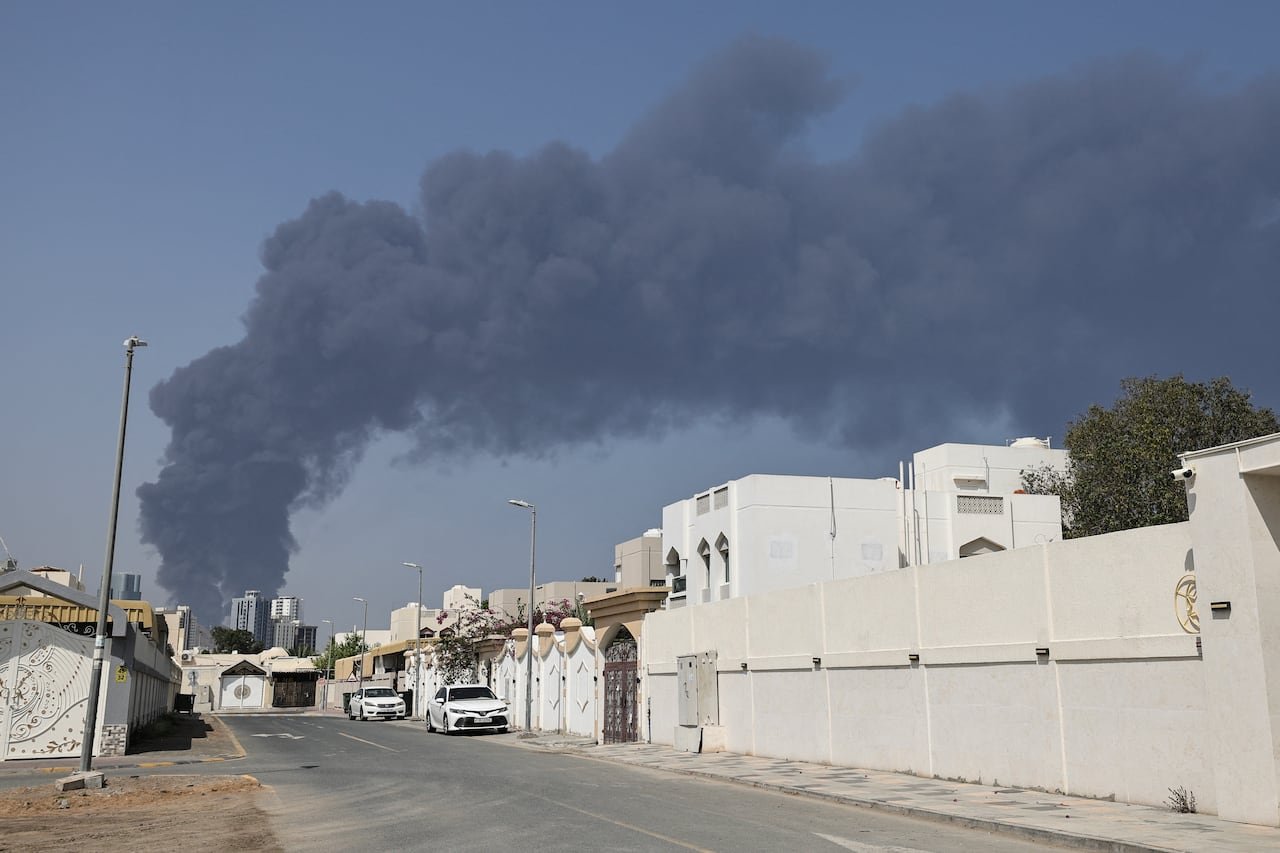
Rebuilding efforts are expected to extend over several years.
The backlog of vessels in the gulf presents another obstacle.
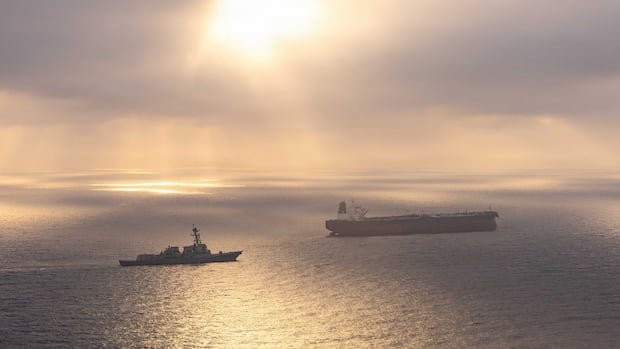
Approximately 1,500 ships have been stranded for months, requiring repairs before they can resume operations. Moreover, the influx of empty vessels is crucial to transport oil globally, necessitating a coordinated effort to facilitate their return.
Transitioning vessels back into service is only part of the equation. The return of empty ships to the region for oil transport hinges on shipping companies’ assessments of safety and operational viability.
Slow Progress of Tankers
Oil tanker movement is characterized by gradual progress.
Most tankers travel at a pace comparable to a bicycle’s speed across oceans.
Even if the strait reopens, the journey time for oil tankers to reach distant destinations remains considerable. Delays persist despite production resumption and safety assurances, with weeks needed for initial shipments to reach their targets.
Shell CEO Wael Sawan cautioned at an energy conference in Malaysia that approximately 10% of global crude oil production remains offline. He anticipates a prolonged period, possibly exceeding a year, for the market to stabilize.
Following news of the preliminary peace agreement, energy markets responded positively on Monday, with oil prices declining and stock values rising.
Gasoline prices are influenced by oil price fluctuations, yet analysts foresee a protracted recovery until fundamental energy flow issues are resolved.
Despite progress, challenges persist on the path forward. Achieving equilibrium in energy markets demands time, diplomacy, substantial investments, and uncertainties loom despite concerted efforts.