

Sudan’s paramilitary Rapid Support Forces (RSF) have accepted a proposal put forth by the United States and Arab nations for a humanitarian ceasefire and are willing to engage in discussions regarding the cessation of hostilities, according to a statement released on Thursday. This development follows previous unsuccessful ceasefire attempts between the RSF and the Sudanese army during their prolonged conflict spanning over two and a half years. The U.S. administration, under President Donald Trump, has been actively involved in efforts to bring an end to the violence in Sudan.
The recent announcement, which has not elicited an immediate response from the Sudanese army, comes in the wake of the RSF’s capture of the city of El Fasher, a region besieged for over 18 months and the final military stronghold in western Darfur. The RSF expressed readiness to implement the agreement and commence talks on the specifics of a ceasefire and the core principles guiding the political process in Sudan.
A Sudanese military official, speaking anonymously to The Associated Press, indicated that while the army welcomes the proposal, they will only agree to a truce if the RSF completely withdraws from civilian areas and surrenders weapons as stipulated in prior peace initiatives. Meanwhile, Massad Boulos, a U.S. adviser on African affairs, revealed ongoing collaborative efforts with both the Sudanese army and RSF to establish a humanitarian ceasefire, hinting at a forthcoming announcement.
The conflict between the RSF and the military originated in 2023, stemming from tensions between the erstwhile allies tasked with overseeing a democratic transition following a 2019 uprising. The war has resulted in an estimated 40,000 fatalities and displaced 12 million individuals, with aid organizations suggesting the actual death toll might be significantly higher. The World Health Organization reports that over 24 million people are currently facing severe food shortages.
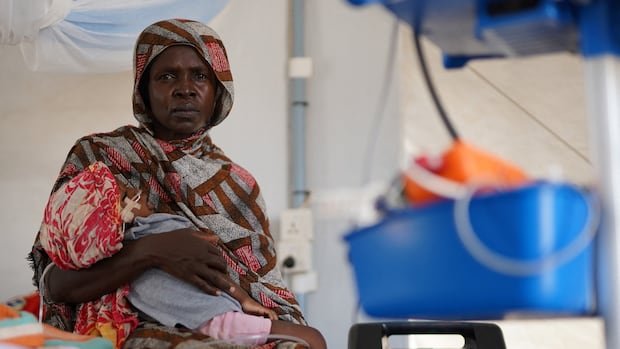
Humanitarian groups have consistently highlighted Sudan’s dire displacement crisis, exacerbated by the recent events in El Fasher. Reports from witnesses have detailed atrocities committed by the RSF, including abductions and summary executions, prompting international alarm. The U.N. human rights office raised concerns over the possible execution of hundreds of civilians and unarmed combatants during the city’s capture by the RSF.
The RSF has denied allegations of mass killings, attributing them to misinformation spread by the army and its allies to mask their defeat in El Fasher. Nevertheless, investigations have been initiated into any potential violations by RSF personnel, with several arrests made. The RSF leadership has facilitated the evacuation of civilians from the city and urged aid agencies to assist those remaining.
The situation has led to a severe humanitarian crisis, with reports indicating that community kitchens, vital for many families, are at risk of collapse. Islamic Relief has disclosed that a significant portion of families in east and west Sudan are struggling with food shortages. The Integrated Food Security Phase Classification highlighted El-Fasher and Kadugli as regions experiencing famine, emphasizing that the crisis is man-made due to ongoing conflict obstructing food access.
AbdulHakim Elwaer, the regional representative for Near East and North Africa, emphasized the urgent need for safe humanitarian corridors to ensure essential aid reaches vulnerable communities. Talks have been ongoing for nearly two years to establish these corridors, with optimism expressed for a viable solution by year-end to avert a catastrophic loss of life due to hunger.