
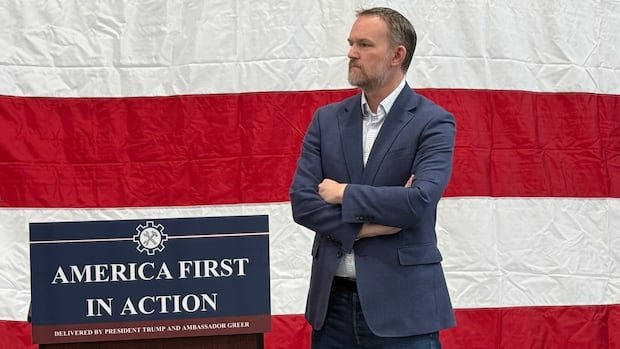

The Trump administration is defending its decision to impose new tariffs of 50 percent on various Canadian products as part of a strategy to address the substantial U.S. trade deficit. During a Senate finance committee hearing, U.S. trade representative Jamieson Greer characterized the trade deficit, which reached $1.2 trillion in 2025, as a “national emergency.”
Greer emphasized that the trade deficit remains a pressing issue, leading to the continuation of their current policy. He stated that the use of tariffs and negotiation of deals are essential to support the re-industrialization of the U.S. economy, protect American workers, increase their wages, and reduce the trade deficit.
Following the hearing, Greer explained to CBC News that the decision to impose tariffs on Canadian products, including plywood and milk, has been in the works for some time. He highlighted that these tariffs are specifically targeted in response to Canadian trade actions affecting the U.S. alcohol, dairy, and auto sectors.
Despite efforts to resolve the issues with Canada over the past year, Greer noted that the escalation to impose tariffs had become necessary due to Canada’s continued actions. The new tariffs, affecting around $20 billion worth of Canada’s annual exports, are set to take effect on August 19.
Greer also addressed questions regarding the renegotiation of the Canada-U.S.-Mexico Agreement (CUSMA), expressing optimism about potential deals with both Canada and Mexico in 2026. He aims to have various options available for consideration by President Trump and the leaders of Canada and Mexico by the end of the year.
During the committee hearing, Democratic senators criticized the administration for its tariff policies. Greer defended the new tariffs against Canada and refuted claims that China receives more favorable trade terms, emphasizing that only a limited number of Canadian products would face higher tariffs compared to Chinese goods.
Greer dismissed concerns raised by Democratic senators about potential negative impacts on U.S. farmers and exporters’ access to Canadian markets, stating that there was no indication of retaliation from Canada. He confirmed a recent conversation with Canada’s Trade Minister Dominic LeBlanc and highlighted ongoing discussions following talks between Prime Minister Mark Carney and President Trump to “intensify” trade negotiations.