

Welcome to our weekly newsletter highlighting environmental trends and solutions driving us towards a more sustainable world.
Last week, an Instagram post about Toronto contemplating waste incineration sparked my curiosity about its viability. The reality is that finding an ideal solution for disposing of garbage presents challenges.
This week’s focus includes:
1. Toronto’s consideration of waste incineration.
2. The broader perspective on big data’s impact on water usage.
3. Sprinkler systems safeguarding homes from wildfires.
In much of North America, waste disposal typically involves landfilling. While modern landfills are engineered to minimize environmental impacts, no community desires a landfill in its vicinity. Toronto, facing a waste disposal crisis with its main landfill nearing capacity, sought alternative waste management solutions. However, none of the 378 neighboring municipalities were open to hosting a new landfill.
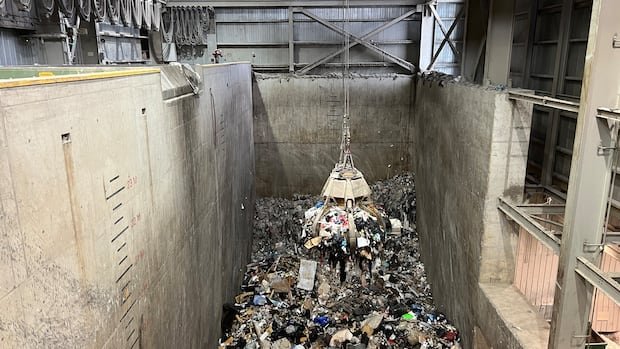
Incineration, or energy-from-waste, emerged as a potential solution. Through burning waste and generating energy, Toronto aims to address its waste management challenges. Despite concerns, the city included incineration in a recent public survey on waste management options. Existing waste incinerators in Brampton and Durham region serve as local examples.
The environmental impact comparison between landfills and incinerators varies based on specific facility technologies. Proponents of incineration argue its superiority in reducing greenhouse gas emissions compared to landfills, which emit methane during waste decomposition. However, environmental groups advocate for efficient methane capture in landfills as a more sustainable waste management approach.
The debate extends to air quality concerns, with Peel Public Health raising alarms about potential health impacts from incinerator expansions. Amidst these challenges, the consensus leans towards prioritizing waste reduction initiatives over costly waste management solutions like incineration. Implementing producer responsibility programs and enhancing waste diversion rates remain key strategies to mitigate waste-related environmental issues.
In conclusion, addressing waste management challenges requires a holistic approach that prioritizes waste reduction and sustainable practices over quick-fix solutions like incineration.
– Inayat Singh