
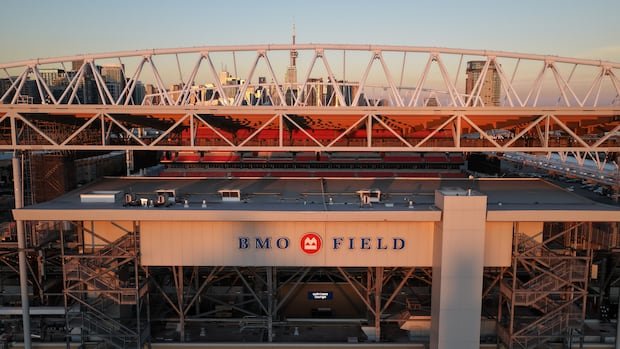

The Greater Toronto Hotel Association has raised concerns about the potential negative impact of a hotel tax increase implemented for Toronto’s FIFA World Cup games next year on overall tourism to the city. The Municipal Accommodation Tax (MAT) saw a 2.5 per cent hike starting in June, with an expected revenue of $56.6 million by the following July.
Sara Anghel, president and CEO of the Greater Toronto Hotel Association, expressed apprehension that the tax increase could deter visitors and organizers of large events from choosing Toronto. She emphasized that escalating taxes would diminish the city’s competitiveness against other convention-hosting cities.
Last year, the city council approved a temporary increase in the MAT to 8.5 per cent to cover expenses related to hosting six World Cup games. This increase, effective from June 1 until July 31, 2026, was meant to ensure successful games but is perceived as a significant burden by Anghel.
Anghel highlighted existing challenges in the city such as traffic congestion and safety concerns, which, coupled with high taxes, could reduce Toronto’s appeal for hosting conventions and major events. In contrast, Vancouver introduced a 2.5 per cent tax on short-term accommodations for its FIFA games earlier this year.
Anghel noted that unlike Toronto, host cities in the U.S. and Mexico are relying on corporate sponsorships rather than imposing additional taxes. She suggested that Toronto’s hotels might be accumulating funds quicker than anticipated, prompting a call for transparency in tracking the revenue generated and potential reinvestment in tourism initiatives.
City spokesperson Elise von Scheel indicated that any surplus revenue from the tax might be redirected to tourism promotion during the tournament. However, the anticipated influx of World Cup spectators is unlikely to be deterred by higher hotel prices, according to Andy Weir, CEO of Destination Toronto.
Weir expressed optimism about the economic benefits from World Cup visitors participating in various city activities and predicted a long-term positive impact on global tourism. He highlighted the opportunity for Toronto to showcase its energy and vibrancy to a global audience during the tournament.