
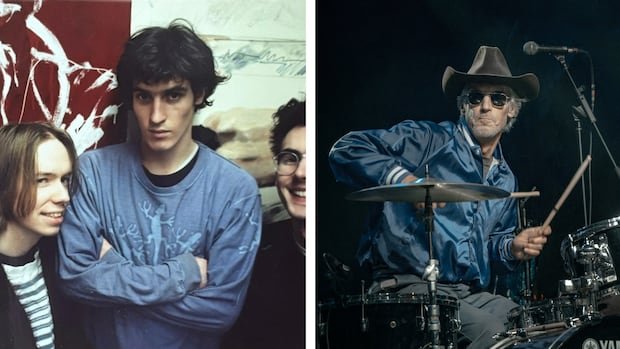

While studying at Nova Scotia College of Art and Design in Halifax, Andrew Scott had a professor who believed that painting could continue indefinitely, but rock music had a limited lifespan.
Scott, a drummer for the band Sloan, faced a crucial decision in 1991 when he was three art history credits shy of completing his bachelor of fine arts degree. He had to choose between finishing school or pursuing music with Sloan.
Ultimately, Scott decided to prioritize his music career with Sloan, even though it meant not completing his degree and missing out on showing the diploma to his mother.
The band, Sloan, was in its early stages back then, and Scott had doubts about the longevity of a music career, as he once told his mom he wouldn’t be in a rock band at age 30. However, decades later, he still enjoys his work.
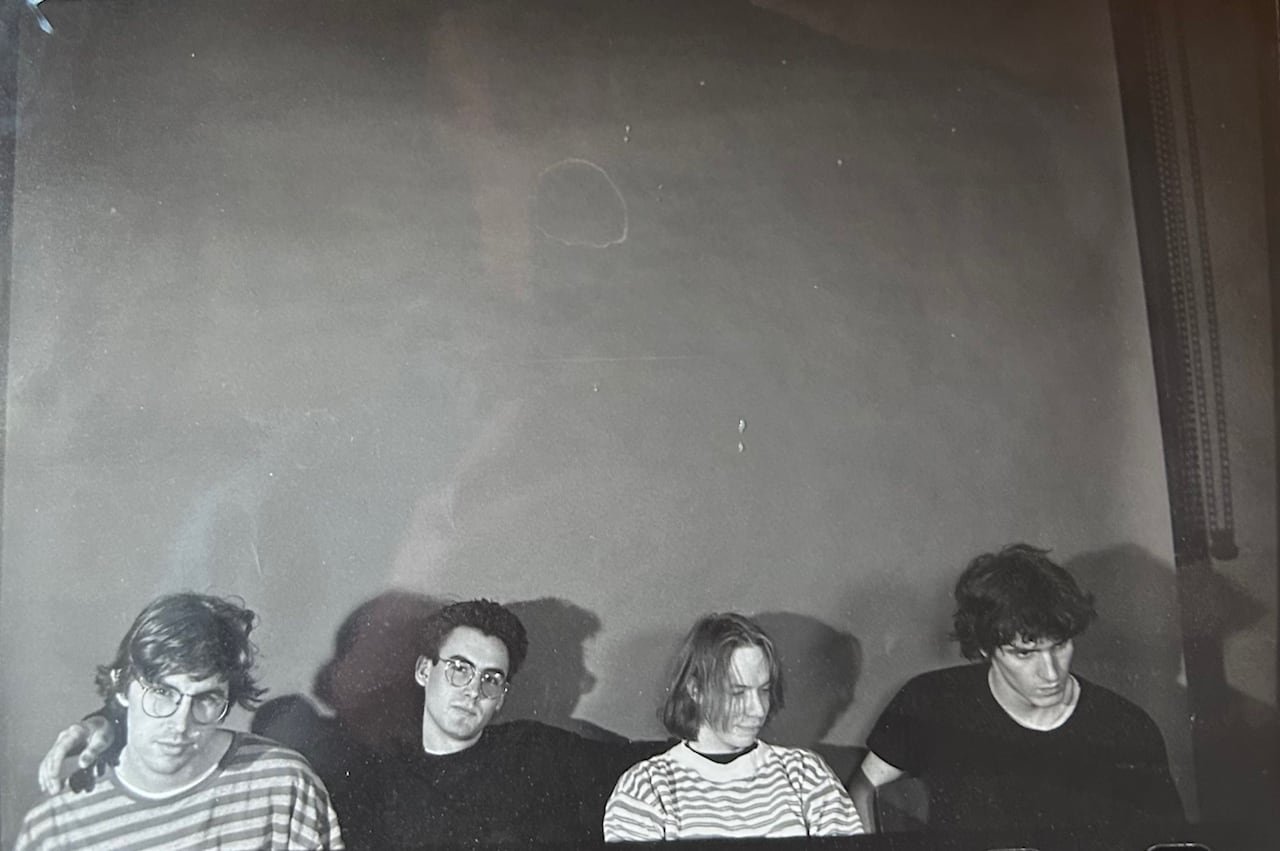
Despite initial uncertainties, Sloan has achieved significant success, releasing 14 studio albums, including critically acclaimed ones like “Twice Removed” (1994) and “One Chord to Another” (1996).
The band continues to tour extensively in Canada and the United States, performing iconic songs such as “Money City Maniacs” and “If It Feels Good Do It,” which have become part of Canadian music culture.
Andrew Scott, now set to receive a Life Fellow title at NSCAD University, expressed his excitement and gratitude for the recognition, a sentiment echoed by his proud mother.
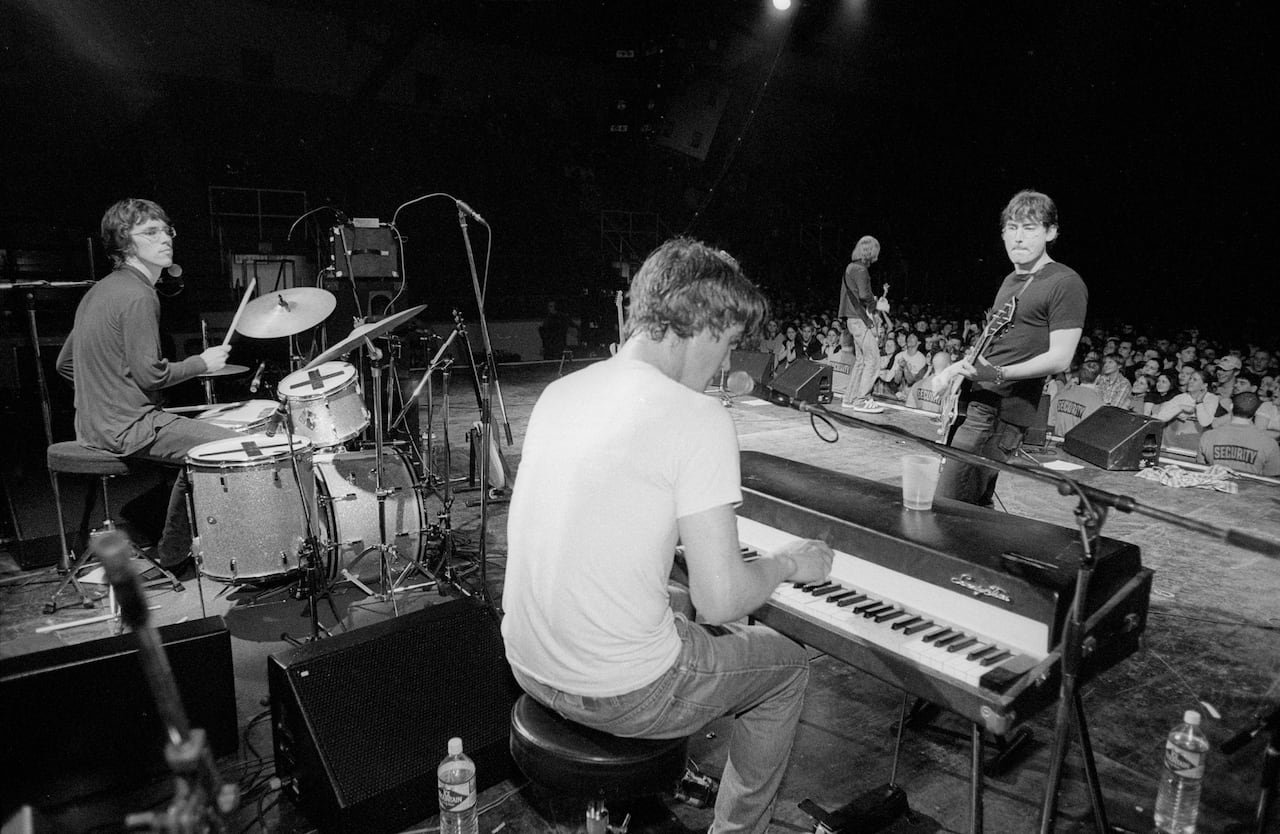
Reflecting on his journey, Scott highlighted the personal significance of the honor, noting that NSCAD played a pivotal role in his life, having hosted Sloan’s first performance and being where he met his wife and where his son now studies.
When asked about his son potentially pursuing a music career over academics, Scott emphasized following one’s passion and taking opportunities to explore different paths.
Aside from his musical success, Scott also maintains his passion for painting, a lifelong interest stemming from his father’s influence as a jazz musician and painter.
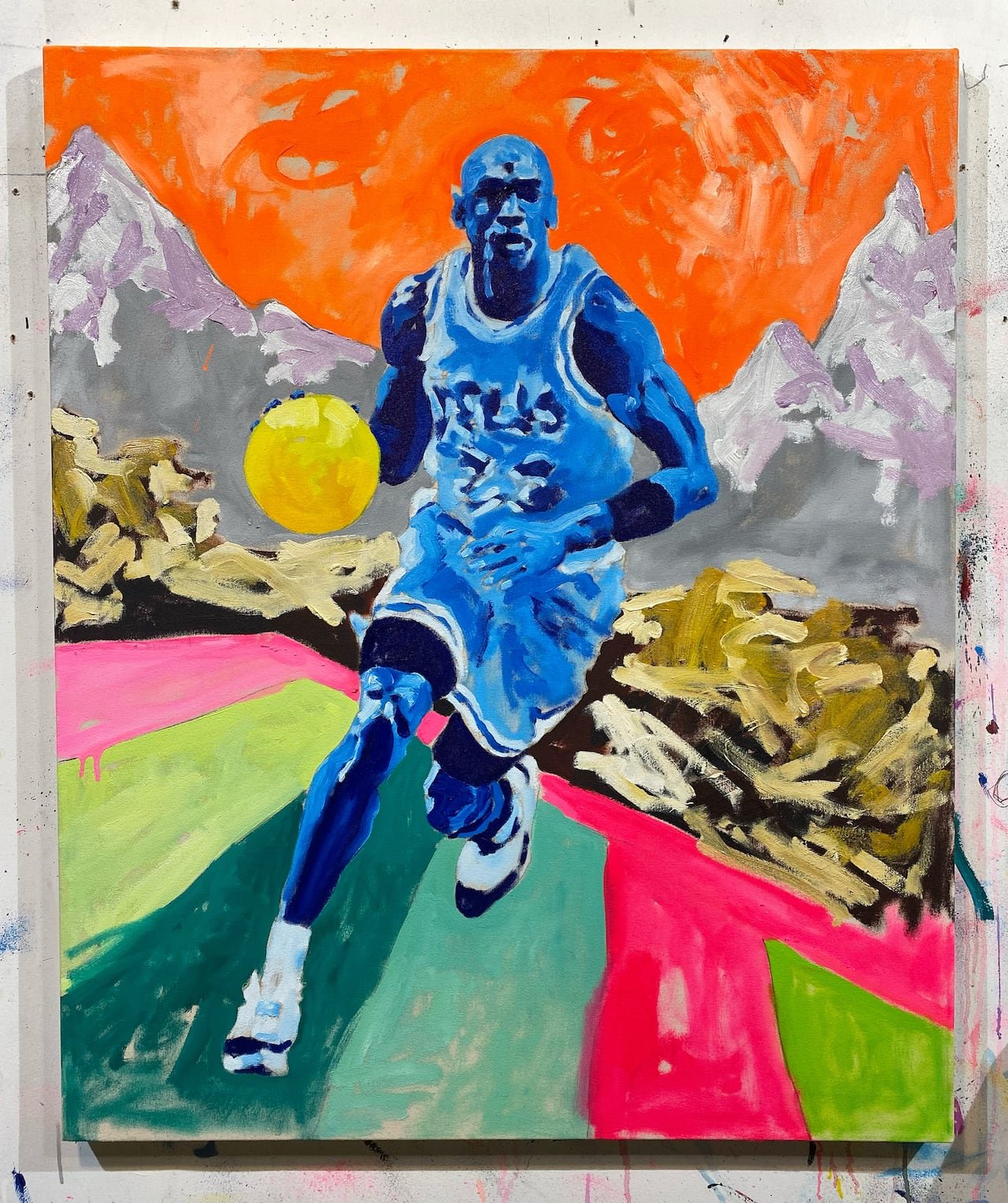
Although painting took a back seat during Sloan’s rise to fame in the 1990s, Scott has continued to pursue his art, creating pieces in his unheated Toronto garage and selling his works.
- <a class="similarLink" href="https://www.cbc.ca/news/canada/nova