
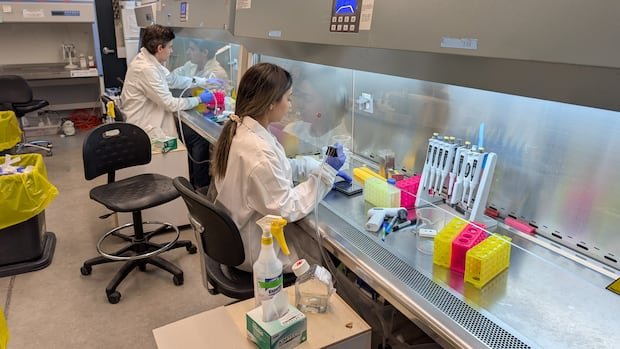

A pivotal moment shifted Charu Chandrasekera’s career focus from using mice in heart failure research to exploring alternatives to animal testing. Recognizing the limited success rate of translating animal test results to human outcomes, she founded the Canadian Centre for Alternatives to Animal Methods in 2017. The center pioneered innovative technologies such as 3D bioprinted tissues using human cells to monitor health changes without animal subjects.
Despite the significant impact of the center’s work on the animal testing discourse, it closed in 2024 due to inadequate funding, a stark contrast to countries like the U.K., the U.S., and the European Union, which have allocated resources and established strategies to phase out animal testing in research. While Canada has a plan for reducing animal use in chemical testing, there remains a gap in addressing biomedical testing, which accounts for a substantial portion of animals used in Canadian research settings.
The emergence of advanced technologies like organ-on-a-chip models and AI-driven computational tools presents promising alternatives to traditional animal testing. Milica Radisic, a professor at the University of Toronto, has developed living heart tissue that mimics real heart function, offering a more precise and humane way to study heart diseases compared to animal models.
The regulatory landscape plays a crucial role in transitioning towards animal-free research methods. The Canadian Council on Animal Care oversees ethical standards in animal use for scientific purposes, emphasizing the 3R’s principle: replace, reduce, refine. While some animal testing remains necessary to validate data, the shift towards alternative methods is gaining traction, exemplified by recent legislation banning cosmetic testing on animals in Canada.
Despite skepticism from some researchers about completely phasing out animal testing due to its unique insights, the growing consensus is that embracing innovative technologies can enhance research outcomes. Adequate funding is essential to accelerate the adoption of alternative methods, as seen in initiatives by regulatory bodies like the U.S. FDA and the U.K. government, which have allocated substantial funds to support the transition away from animal testing.
In Canada, the lack of financial support for advancing animal-free research poses a challenge, potentially driving researchers like Chandrasekera to seek opportunities abroad. Advocates urge Canada to take a proactive leadership role in funding and promoting alternative research methods to ensure scientific progress while upholding ethical standards.