
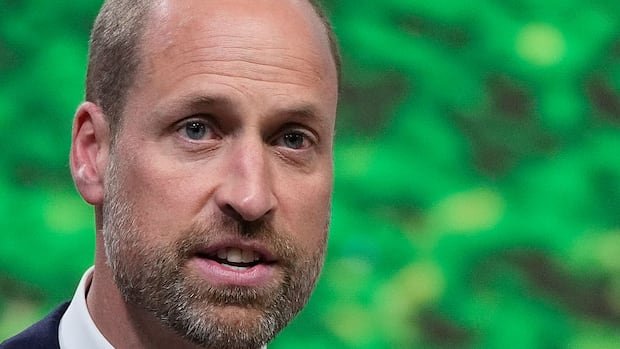

Prince William showcased his commitment to environmental advocacy during his recent engagements in Rio de Janeiro. From playing volleyball barefoot on Copacabana beach to addressing world leaders at the COP30 summit in Belém, William emphasized the urgent need for cooperation and action on climate change. Reflecting on his family’s legacy, William spoke passionately about the power of nature and his dedication to championing environmental causes, echoing his father’s long-standing commitment to conservation efforts.
Amid growing scrutiny and challenges within the monarchy, William’s focus on environmental issues signals his readiness to carry forward his father’s work in this crucial area. As the spotlight intensifies on him, particularly in the wake of recent scandals involving other members of the royal family, William’s proactive stance on climate action positions him as a key figure in ensuring the monarchy’s relevance and respectability.
In addition to his public duties, William faces personal trials, including strained family relationships and health concerns for his father and wife. Despite these challenges, William appeared energized and engaged during his time in Rio, where he interacted with local communities, participated in soccer drills with children, and paid tribute to his late mother, Princess Diana, by visiting iconic landmarks she had once frequented.
By embracing innovative approaches to public engagement, such as virtual chats with conservationists and appearances on entertainment shows, William aims to connect with a broader audience, especially younger generations less familiar with traditional royal protocols. However, he must strike a delicate balance between modern relevance and maintaining the dignity and distinct role of the royal family in contemporary society.
As Prince Andrew faces repercussions for his actions, including losing his royal titles and adjusting to a new lifestyle, the monarchy navigates through a period of introspection and transition. The fallout from Andrew’s controversies prompts a closer examination of the royal family’s integrity and legacy, raising questions about accountability and the institution’s resilience in the face of public scrutiny.
King Charles’s handling of Andrew’s situation underscores a pragmatic approach to managing royal affairs, ensuring a smooth transition for his brother while upholding the family’s public image. The financial and residential arrangements for Andrew reflect a balance between personal support and maintaining the monarchy’s reputation in the aftermath of scandals.
Meanwhile, Prince Harry’s recent visit to Toronto sparked minor controversy over his choice of attire, highlighting the significance of symbolism for royal figures and their public perception. Despite the backlash, Harry’s apology and subsequent engagements with veterans demonstrate a commitment to honoring traditions and engaging with diverse communities.
As the royal family prepares for Remembrance Day ceremonies and other official events, the younger generation, including Prince George, begins to play a more visible role in royal duties, signaling a gradual transition towards a new era of public service and representation. Amidst ongoing challenges and transformations, the monarchy continues to adapt and evolve, guided by a mix of tradition, innovation, and public expectations.
[End of rewritten article]