
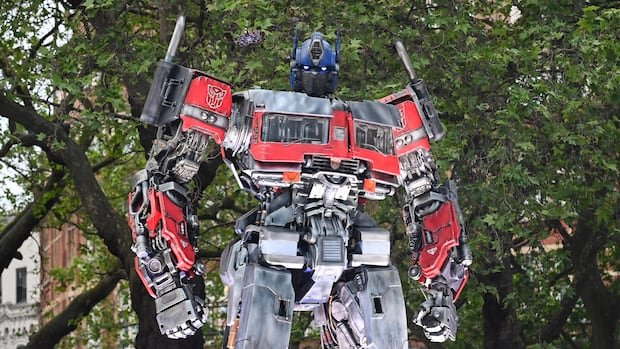

Hasbro, the renowned American toy and games company famous for franchises like Transformers, Power Rangers, and G.I. Joe, has introduced artificial intelligence versions of 12 beloved characters. This innovative move, aimed at enhancing user experiences, has raised concerns among experts regarding potential risks associated with children’s engagement.
Included in the lineup are iconic characters such as Optimus Prime, Megatron, G.I. Joe’s Cobra Commander, Mr. Potato Head, and the cast of the board game Clue. These AI characters are now accessible for licensed utilization in various “experiences and enterprise use cases,” as disclosed in a recent news release by the company. This means that Autobots, Decepticons, and even a talking potato could serve as interactive brand representatives, possibly engaging in conversations with consumers over the phone.
Hasbro’s decision to delve into AI representation stemmed from the prevalence of unauthorized character versions across multiple digital platforms. To bring these characters to life, Hasbro established Sixth Wall, an AI studio tasked with animating AI likenesses of its popular figures. Collaborating with ElevenLabs, a specialist in human-AI interaction, Hasbro also introduced “behavioural licensing,” a novel form of intellectual property licensing regulating the actions, thoughts, and speech of these characters. This initiative is powered by a system known as CharacterOS, ensuring controlled interactions that maintain the authenticity of the characters.
CEO Chris Cocks emphasized that this advancement opens up new avenues for immersive storytelling experiences, while also safeguarding against unauthorized character use. The focus of these AI characters is aimed at individuals aged 13 and above, with no current development plans for AI products targeted at young children. Hasbro is actively engaging in industry discussions to establish safety standards and voluntary guidelines for AI-enabled play experiences.
Voiceovers for the AI characters were provided by non-AI actors, ensuring authenticity through the utilization of authorized source material. Notably, Frank Welker, a veteran actor known for voicing Megatron, expressed excitement at the prospect of interacting with his character in this new AI format.
Experts have expressed concerns regarding the implications of AI-powered characters, particularly in terms of fostering relationships and potential advertising influence on children. Matthew Johnson from MediaSmarts highlighted the challenge of children perceiving AI entities as human-like, potentially leading to parasocial relationships and increased susceptibility to persuasive advertising tactics. Privacy concerns also arise as data collection methods and usage remain ambiguous, with AI characters possibly soliciting personal opinions on various topics to enhance user engagement.
In parallel, Steve DiPaola from Simon Fraser University underscored the trend of providing interactive experiences to fans through AI technologies, similar to approaches adopted by celebrity agencies. However, he cautioned against Hasbro’s control over the intellectual properties of fictional characters, expressing reservations about altering fan perceptions and character integrity for commercial purposes.
Overall, Hasbro’s foray into AI representation marks a significant advancement in immersive storytelling and interactive experiences, though the adoption of AI technologies in the toy industry raises complex ethical and regulatory considerations.