
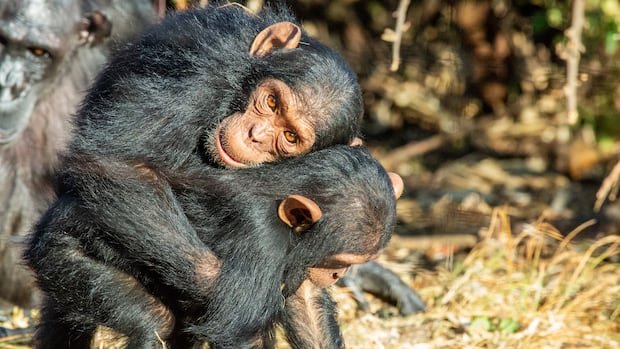

In a recent interview with Jake Brooker, it was discussed how great apes maintain peace through physical affection, such as hugs, kisses, pats, and love bites. The study, published in the journal Proceedings of the Royal Society B: Biological Sciences, revealed that chimpanzees and bonobos use these gestures to foster social tolerance and prevent unnecessary conflicts in potentially stressful situations.
Brooker, a psychologist and great apes researcher at Durham University, highlighted that these primates engage in positive touch not only to console each other after conflicts but also in other stressful contexts. The research observed the behaviors of semi-wild bonobos and chimpanzees in sanctuaries in the Democratic Republic of Congo and Zambia. The primates exhibited increased physical contact and affection right before anticipated feeding times, which helped build trust and prevent food-related conflicts.
Although both bonobos and chimpanzees displayed similar positive touching behaviors, it was noted that chimps exhibited wider canoodling and engaged in higher-risk behaviors like gentle bites and finger placements in each other’s mouths. This behavior was more prevalent among male chimps, suggesting that more aggressive species may require greater reassurance to maintain social tolerance.
The study findings also highlighted the importance of physical affection in human interactions. Brooker emphasized how offering touch and physical contact among friends can enhance communication and bonding, challenging societal norms that may discourage such interactions.
The research sheds light on how these great apes utilize physical affection to strengthen social bonds and minimize conflicts within their groups, providing insights that may resonate with human behavior as well.