
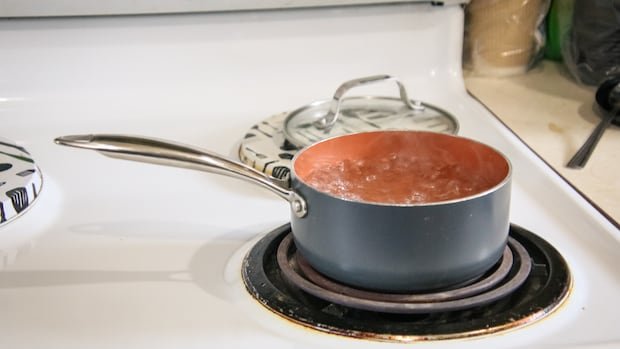

As Canadians gear up to prepare Thanksgiving meals this weekend, experts in the culinary field are cautioning about the risks associated with commonly used non-stick cookware. Julia House, a former food blogger turned kitchen aficionado, recalls the exhaustive research she conducted when outfitting her kitchen with durable and safe tools.
House emphasizes that non-stick pans have a limited lifespan due to their delicate nature, dispelling any notions of everlasting durability. Some non-stick cookware contains perfluoroalkyl and polyfluoroalkyl substances (PFAS), known as “forever chemicals” for their non-biodegradable properties.
PFAS are not exclusive to cookware but are also present in various everyday items such as cosmetics, food containers, and medical devices. Health Canada warns that exposure to PFAS can adversely affect multiple bodily systems, including the liver, immune system, and reproductive organs.
California has taken a proactive stance by considering a ban on PFAS-containing products, including cookware, prompting discussions on similar actions in other regions. British Columbia is closely monitoring these developments and exploring strategies to address PFAS contamination within its jurisdiction.
In response to the potential health risks associated with non-stick cookware, experts suggest exploring alternative options that do not contain PFAS. David Lang, a culinary arts program chair, and Julia House, now a cookware store owner, advocate for using steel, cast iron, or carbon pans, which can be seasoned to achieve a non-stick surface.
Lang emphasizes the importance of proper care for metal pans to ensure longevity, suggesting that investing in a high-quality pan can be more cost-effective in the long run than purchasing multiple non-stick pans. Learning to use and maintain these alternative pans effectively is key to maximizing their lifespan and cooking performance.
Ultimately, mastering the art of cooking with traditional pans is a skill that can be learned and offers a safer and sustainable alternative to non-stick cookware. By adopting proper techniques and care practices, individuals can enjoy the benefits of durable, non-toxic cookware while minimizing their environmental impact.