
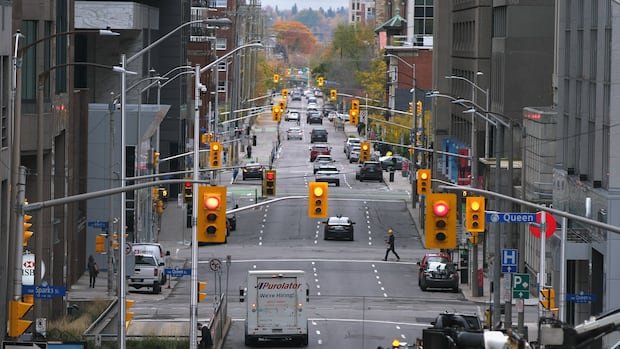

In the world of driving, the transition from a green to yellow traffic light presents a moment of decision-making that involves a complex mix of factors like distance, time, speed, and the behavior of other drivers on the road. Calculating the timing of these yellow lights involves a blend of scientific principles and considerations for how drivers react at intersections.
Jodie Marcyniuk, overseeing traffic management in Calgary, emphasizes that the duration of amber lights and the subsequent “all red” phase are determined based on established guidelines and fundamental physics concepts. Factors such as vehicle speed, deceleration rates, road slope, and driver response time are taken into account to tailor the timing of yellow lights to each unique intersection’s characteristics.
The general advice is clear: if it’s possible to stop safely when encountering a yellow light, it’s advisable to do so. Disregarding this principle in a rush can lead to risky situations and potential accidents. Travis Stocking, a senior traffic analyst in Whitby, Ontario, explains the aim of synchronizing traffic lights to create smooth traffic flow, but acknowledges that real-world conditions can disrupt these ideal scenarios.
Traffic engineers also need to strike a balance in setting the duration of amber signals to prevent unintended consequences on driver behavior. Extending yellow light durations excessively can sometimes encourage risky driving behavior, leading to an increase in rear-end collisions. The yellow light serves as a warning to drivers as they enter what experts term “the indecision zone,” where split-second judgments can have significant impacts on road safety.
Ultimately, while traffic signals offer guidance, drivers must remain vigilant, attentive, and considerate of others on the road to navigate intersections safely. The human element introduces variability that standard rules may not fully account for, emphasizing the importance of individual responsibility and awareness behind the wheel.