
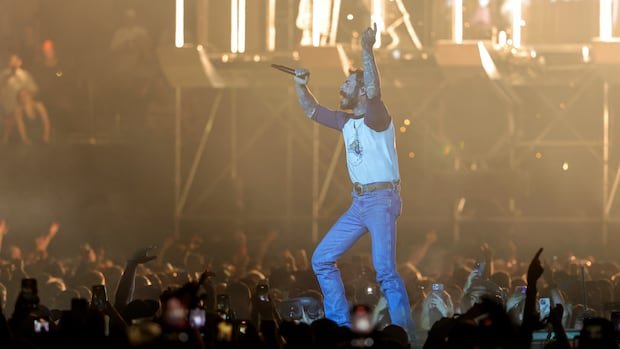

Fans are noticing a phenomenon dubbed “blue dot fever” among major music acts, attributing it to inflated ticket costs. The term originates from Ticketmaster’s blue dots indicating unsold seats on their website. Concertgoers have pointed out numerous blue dots for upcoming shows, speculating that this trend has prompted concert cancellations or even entire tour halts in extreme cases.
Recent months have seen cancellations from artists like Post Malone, Meghan Trainor, and the Pussycat Dolls, with some citing reasons other than poor ticket sales. However, fans continue to link their decisions to the prevailing trend. Music publicist Eric Alper attributes the issue to escalating ticket prices combined with the already high cost of living.
Data from Pollstar reveals a significant 37% surge in ticket prices for the top 100 global tours between 2019 and 2025. Initially, fans were more tolerant of the high costs post-COVID-19, driven by their eagerness to attend live events. Nevertheless, with rising expenses for essentials like food and fuel, people are becoming more selective about which shows they choose to invest in.
Veronica Avila shared her experience of choosing to attend Post Malone’s concert in Toronto over other artists due to financial constraints. She highlighted that she typically attends only one concert a year due to the expense. Despite a decent turnout for Post Malone’s show, the seating map still displayed numerous blue dots before the event.
Post Malone’s decision to delay the start of his stadium tour with Jelly Roll earlier this year to focus on his album sparked online discussions about blue dot fever. Similarly, the Pussycat Dolls canceled the majority of their North American reunion tour dates in May, indicating that tickets were readily available before the cancellations.
Some fans are adopting a wait-and-see approach, hoping for ticket price reductions closer to the event date. This strategy could potentially lead to more unsold seats, reflected as blue dots on seating maps. While SeatGeek reports a rise in last-minute ticket orders, Ticketmaster refutes claims of declining concert sales, emphasizing a minimal cancellation rate for Live Nation shows this year.
Despite the ongoing debate over ticket sales and fan behavior, resale companies like SeatGeek and StubHub affirm a sustained demand for tickets. They note that fans are now making more calculated choices regarding which concerts are worth their investment.
Music publicist Eric Alper notes that as ticket prices increase, fan expectations for elaborate productions also rise. This demand contributes to higher touring expenses, as elaborate setups necessitate additional staff, transport, and equipment. The escalation in production costs has directly impacted ticket prices in recent years, as explained by Live Nation executive Dan Wall in an interview with CBC News.
As touring becomes more expensive, concerns arise about its accessibility to both artists and fans. Tour manager Jen Ochej warns that escalating ticket prices could exclude many from the live music experience. She envisions a future where only those with substantial financial resources can afford concert attendance, potentially reshaping artists’ revenue strategies.
While touring remains a significant income source for artists, particularly given the meager streaming revenues, the evolving landscape may prompt diversification into alternative revenue streams like merchandising or licensing deals. This shift could see artists exploring avenues beyond traditional music recordings to sustain their careers.