
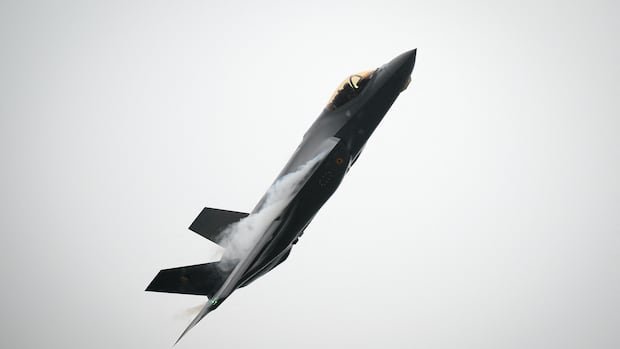

The acquisition of the F-35 fighter jet has sparked intense debate in Canada due to its high cost and political implications. Amid trade tensions with the U.S. and concerns over sovereignty, Canada has committed to purchasing 16 F-35s with the option to buy up to 88 of these advanced stealth aircraft.
According to Chauncey McIntosh, the vice-president of Lockheed Martin, the F-35 is hailed as the most capable, survivable, and lethal fighter jet available. The potential purchase of the full fleet of F-35s would mark the largest investment in the Royal Canadian Air Force in over three decades, with an estimated price tag of $27.7 billion.
Despite ongoing controversy, Canada’s involvement in the F-35 program dates back to its inception in the late 1990s. The production process underscores the close economic ties between Canada and the U.S., with components from both countries integrated into the final aircraft.
Industry Minister Melanie Joly has pressed Lockheed Martin to provide more economic benefits to Canada in exchange for proceeding with the purchase. Each F-35 jet costs between $82 million and $100 million, with around $3.2 million worth of parts sourced from Canada.
Canadian companies, spanning from Winnipeg to Lunenburg, contribute various components to the F-35 program. Lockheed Martin emphasizes the global nature of the project, with more than 1,200 jets sold to 20 countries. The program has engaged over 110 Canadian companies, providing employment to about 2,000 Canadians.
While some question the wisdom of Canada’s F-35 purchase, others advocate for diversifying the fleet with alternatives like the Gripen jet from Sweden. Alan Williams, a former official at the Canadian Department of National Defence, highlights the importance of considering both capability and cost in the decision-making process.
Lockheed Martin remains committed to fostering partnerships with Canadian companies, ensuring continued collaboration and opportunities within the F-35 program.