

Flowers are More Than Just Pretty: The Evolutionary Story Behind Nature’s Architects
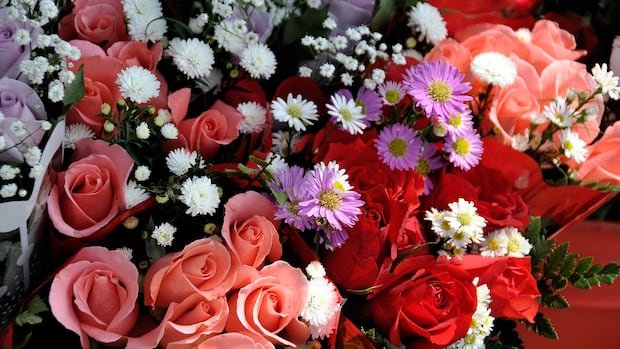
Mother’s Day is a special time to honor the efforts of moms, often expressed through the gift of flowers. Beyond their aesthetic appeal and delightful scents, flowers have been a timeless medium for conveying emotions such as love, gratitude, and joy.
In 2025, over 425 million flowers were harvested from greenhouses nationwide, as reported by a recent study from Statistics Canada. However, according to biologist David George Haskell, our appreciation for flowers often overlooks their fascinating evolutionary journey.
Haskell explains that flowering plants emerged around 130 million years ago and swiftly proliferated worldwide, now constituting about 90% of all plant species on Earth. A pivotal innovation was the fusion of male and female reproductive organs within a single flower, streamlining the pollination process.
This unification allows visiting insects to efficiently transport pollen, enhancing reproduction. Flowers evolved vibrant colors and enticing fragrances to attract pollinators, fostering mutually beneficial relationships between plants and animals.
Susan Dudley, a plant evolution expert at McMaster University, notes that the diverse shapes, colors, and scents of flowers are the result of millions of years of co-evolution with pollinators. Different flower types cater to specific pollinators – red for hummingbirds, pale and night-blooming for moths, and foul-smelling for fly pollination.
Aside from pollination, flowers devised ingenious methods to aid seed dispersal. Fruits, matured flowers that encase seeds, entice animals to carry seeds away from the parent plant. These mechanisms have shaped ecosystems and influenced the diets and behaviors of various animal species.
While humans admire flowers for their beauty, Dudley warns that breeding practices focused solely on aesthetics can disrupt natural pollination dynamics. She advocates for a deeper appreciation of flowers’ ecological roles, urging for mindful gardening practices that support local ecosystems.
Haskell emphasizes the importance of nurturing flower habitats by avoiding harmful chemicals and cultivating native plant species. By fostering biodiversity in gardens, individuals can positively impact the delicate balance of floral ecosystems and the creatures that rely on them.
The next time you receive a bouquet, take a moment to view flowers through a different lens. Haskell encourages people to ponder the world from a flower’s perspective, sparking curiosity about the profound impact flowers have had on reshaping the natural world through their evolutionary journey.