
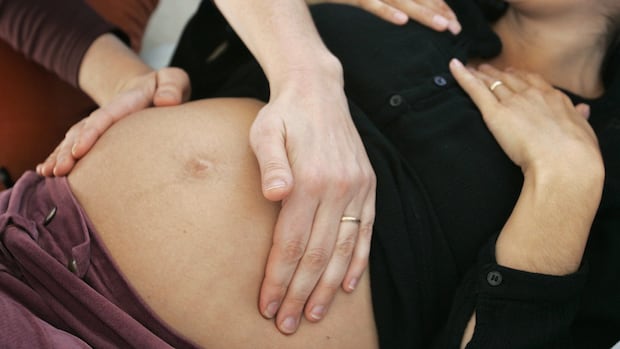

A recent study examines the possibilities for Indigenous individuals who have undergone coerced or forced sterilization to pursue future pregnancies.
The analysis, conducted by the University of Ottawa’s Centre for Health Law, Policy and Ethics in collaboration with the Survivors Circle for Reproductive Justice, details the available options, costs, and obstacles that survivors face in their quest to regain fertility.
Among the options presented are tubal ligation reversal, in vitro fertilization (IVF), surrogacy, and egg donation.
“This represents a chance, a possibility that many may have never thought was attainable,” stated Harmony Redsky, the executive director of the Survivors Circle for Reproductive Justice.
Originating from Wasauksing First Nation in Ontario, Redsky emphasized that this is merely the start of understanding how survivors can build families after experiencing forced or coerced sterilization.
She pointed out that the lack of access to services, coupled with the discomfort many Indigenous individuals feel when seeking such services, continues to be significant hurdles.
“How many chances have there been to engage in discussions surrounding reproductive justice?” Redsky inquired.
“When has information regarding those services and treatments ever been shared with them?”
Redsky expressed her hope for legal advancements on this matter, referencing a bill introduced by Métis Senator Yvonne Boyer that seeks to criminalize sterilizations performed without consent.
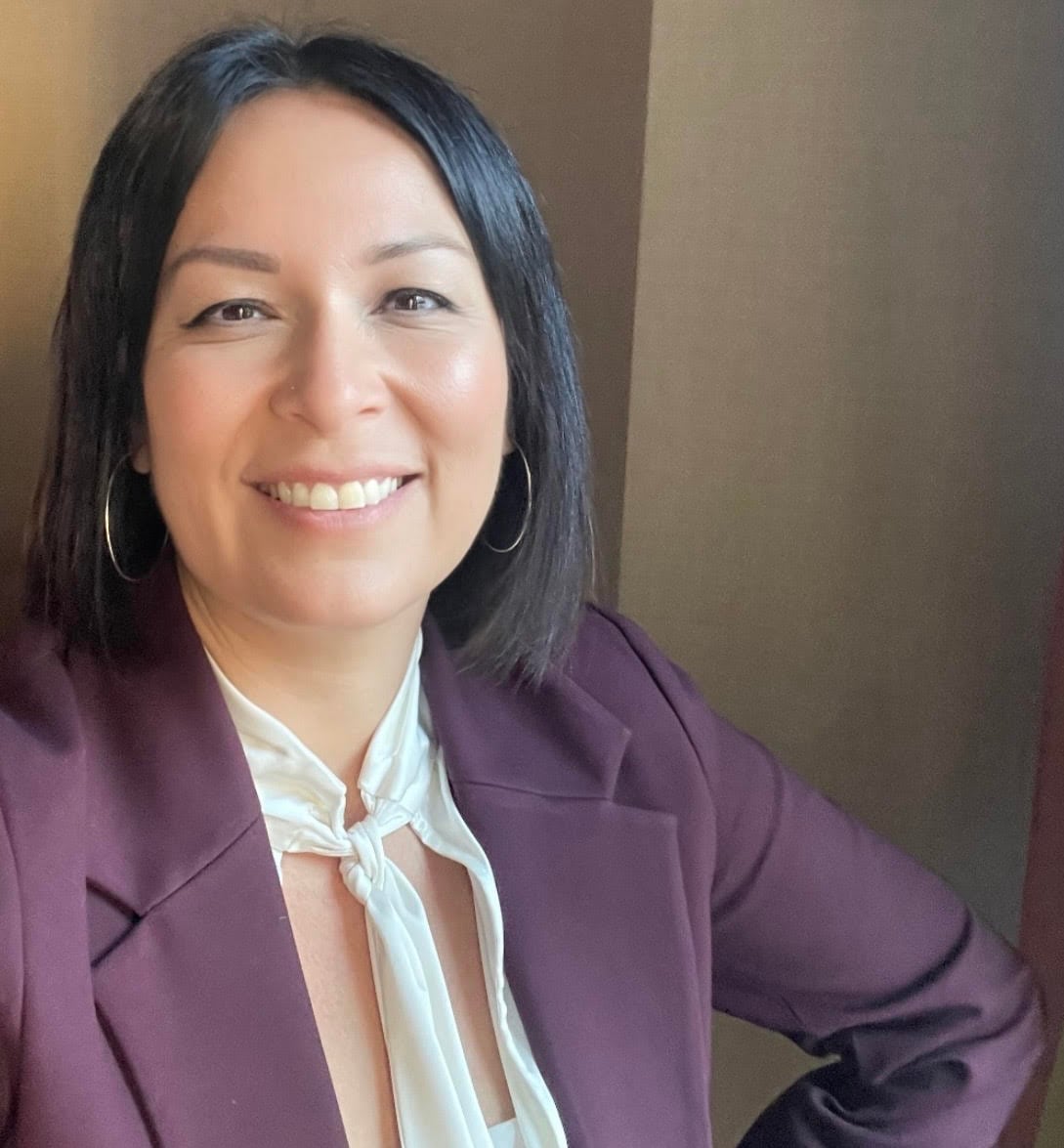
Harmony Redsky, the executive director of the Survivors Circle for Reproductive Justice, hopes for government support for a bill to criminalize forced sterilization. (Submitted by Harmony Redsky)
Katy Bear, who endured coerced sterilization two decades ago and recently welcomed a baby girl, contributed as a co-author to the report.
Redsky noted that Bear’s insights were crucial in grasping the extensive effects of this issue.
The report advocates for patient advocacy roles and provides a directory of fertility care specialists, along with recommendations for enhancing cultural safety in healthcare.
Bear mentioned that among the approximately 300 members of the Survivors Circle who have faced coerced or forced sterilization, she is currently assisting around five women wishing to conceive again.
“It’s [re]opening not just past traumas but creating new ones, unfortunately, as we work to reverse what the government has inflicted,” Bear remarked.
She also highlighted the need for more information for survivors—some of whom may remain unaware of what has transpired regarding their sterilization.
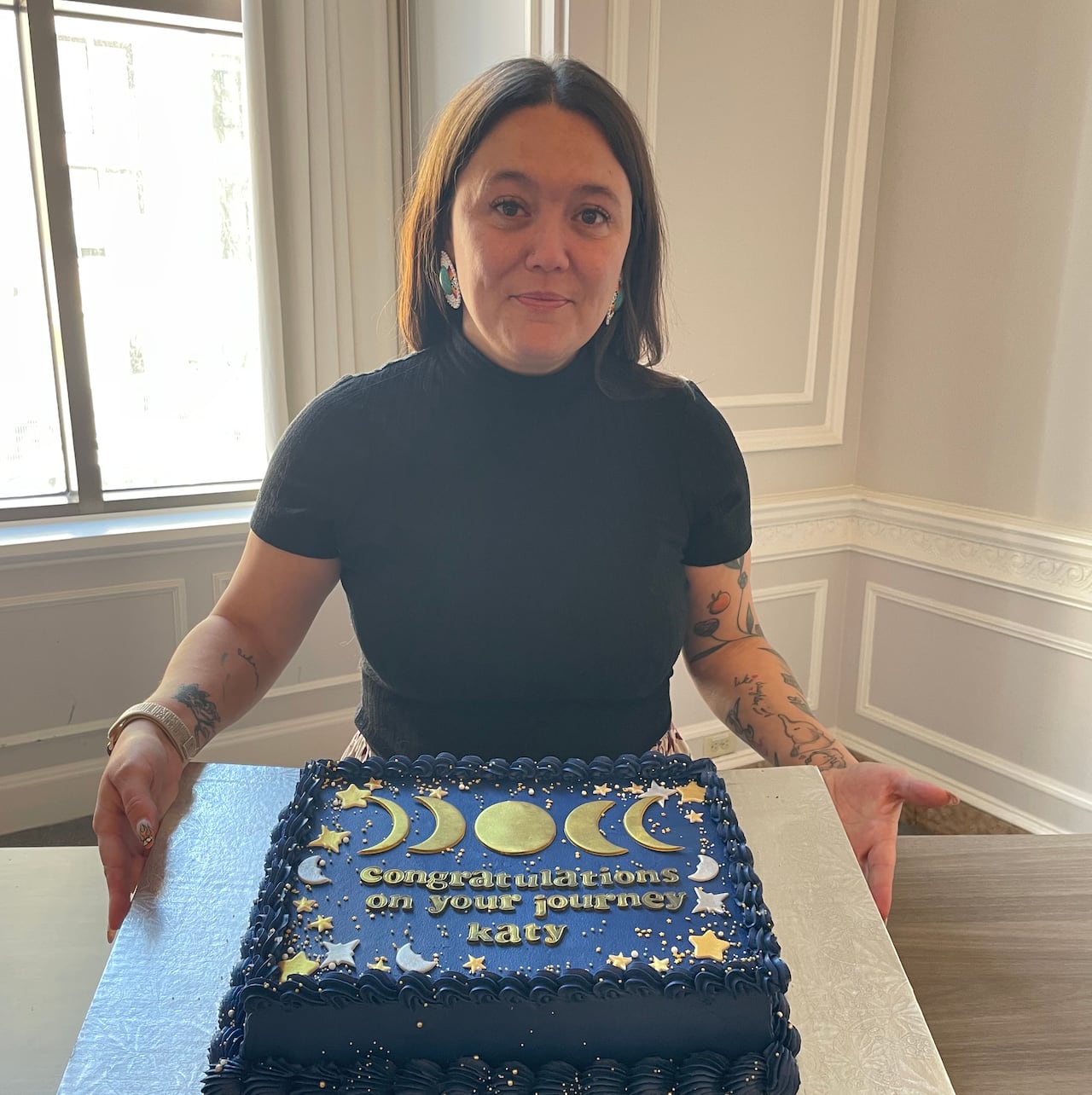
Katy Bear, who underwent coerced tubal ligation two decades ago, recently gave birth to a baby girl named Sage. (Submitted by Harmony Redsky)
“Even I was unaware for many years that’s what had been done to me,” Bear shared.
Additionally, survivors might be misinformed by healthcare providers who suggest that sterilizations can be easily undone, which is not always true. Accessing information about care, alongside the difficulties of obtaining services in remote or isolated areas, can pose considerable challenges for survivors, as noted by Redsky.
Moreover, the expenses associated with reversal procedures can be substantial.
“Why was I required to pay $7,000 for something I never opted for?” asked Bear.
The Survivors Circle offers a Healing Support Fund that provides up to $30,000 for individuals to access reproductive technologies like IVF, and up to $10,000 for other services such as therapy.
“By investigating costs, service accessibility, and the necessity of cultural safety, we strive to influence evidence-based policy and reforms within the healthcare system. Ensuring that survivors have fair access to fertility care is a vital aspect of reconciliation,” stated Vanessa Gruben, a professor at the University of Ottawa and one of the report’s authors, in a press release.
“The experience of Indigenous people within the healthcare system has been disheartening,” Redsky remarked.
“There is still much work to be done with healthcare professionals in the assisted reproductive technology sector in Canada to ensure that cultural safety measures are in place.”
Bear expressed her desire for individuals to contact their local Members of Parliament to advocate for support of the bill.