
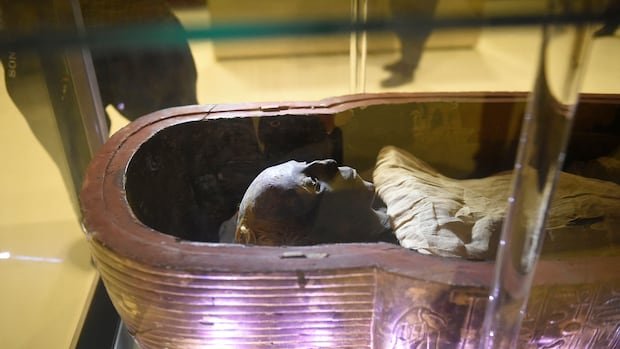

A recent study reveals the existence of a global online market for preserved human remains, a surprising niche that experts warn could pose health risks. Lead author Kirsty Squires and her team examined 128 web posts from 2015 to 2025 showcasing human and animal remains for sale. Mummified body parts, including heads, hands, and feet, were commonly advertised in these posts.
These preserved remains may harbor dormant microorganisms like bacteria and fungi, which could lead to health issues if mishandled. Proper storage conditions are crucial to prevent deterioration of these remains. When not stored in controlled environments like museums, handling mummified remains could release harmful fungal spores and bacteria into the air, posing risks to individuals, especially those with compromised immune systems.
Some mummified body parts may also contain traces of toxic chemicals like arsenic and mercury from historical embalming practices. While the study does not cite specific cases of illness from handling such remains, historical incidents suggest potential risks. Ethical concerns regarding the trade in human remains are also raised, with calls for stricter regulations to prevent the commodification of ancestral bodies.
In Canada, online posts advertising human remains are not uncommon, with minimal regulatory oversight. The Canadian Border Services Agency and postal services have restrictions on shipping human remains, allowing only cremated remains under certain conditions. However, sellers may circumvent these restrictions by mislabeling packages, putting postal workers at risk.
The trade in mummified human remains remains a contentious issue, with calls for stricter legislation to ban their online sale. Critics argue that such practices perpetuate colonialism and the commodification of human bodies. Proposed laws, like the one introduced in the U.K., aim to address these concerns and prevent the exploitation of human remains for commercial gain.