
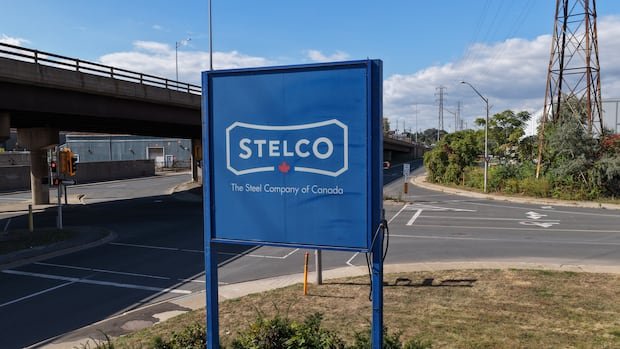

The CEO of the parent company of Stelco in the U.S. stated that they would defend themselves if faced with legal action from Ottawa following the decision to halt production at a steel mill in Hamilton, resulting in potential layoffs of up to 500 employees. This move is partly attributed to the ongoing trade tensions between Canada and the United States.
In response, Prime Minister Mark Carney emphasized that Ottawa would utilize all available legal measures against Cleveland-Cliffs, urging them to adhere to their obligations. Cleveland-Cliffs’ CEO, Lourenco Goncalves, highlighted the importance of Stelco’s ability to sell steel to U.S. buyers freely as a condition agreed upon during the acquisition, citing the Canada-U.S.-Mexico Agreement (CUSMA) in effect at the time.
Despite the trade war, CUSMA remains effective until 2036. Goncalves expressed regret over the strained trade relations between the two countries, emphasizing that business decisions were made under different circumstances.
Stelco’s decision to potentially lay off workers was directly linked to the trade dispute instigated by U.S. President Donald Trump, who imposed tariffs on foreign steel, prompting retaliatory actions from Canada. Carney criticized Goncalves for supporting these tariffs, with Goncalves defending his stance by stating that investing in Canada was a testament to his belief in the country and its workforce.
Goncalves attributed the planned layoffs to challenges in the market for Stelco’s cold-rolled steel production, driven by foreign imports. He clarified that the company’s shift to focus on hot-rolled products was a strategic move due to market conditions. Despite claims of insufficient orders, sources within Stelco mentioned customer demand, while another industry insider highlighted ongoing orders for steel products in Canada.
Goncalves reiterated that the primary issue was not financial but the uncertainty surrounding Canada-U.S. trade relations. While Carney proposed financial support to mitigate the trade war’s impact, Goncalves emphasized that the core problem was the trade uncertainty rather than financial constraints.