
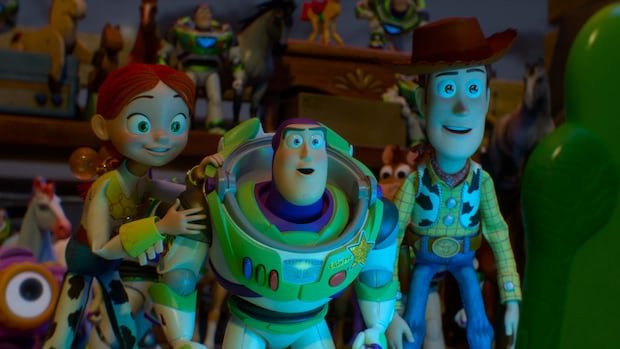

Toy Story 5 proves to be a standout addition to the franchise, offering a fresh and engaging storyline that captivates audiences. The film’s relevance is evident from its modern poster, depicting the original toys now in the hands of a new, tech-savvy owner. Despite tackling the invasion of technology into childhood, the movie avoids a bleak outlook.
However, like many contemporary children’s films, Toy Story 5 shifts its focus away from kids themselves. The narrative skillfully weaves between Woody’s dedication to Bonnie, Jessie’s mission to assist her, and Bonnie’s struggle to connect with peers in an era dominated by screens.
Bonnie’s challenges with social interactions and the depiction of cyberbullying highlight the harsh realities of growing up in the digital age. The film delicately explores the dual nature of technology in shaping children’s lives, steering clear of demonizing screens entirely.
At its core, Toy Story 5, much like its predecessors, centers on the toys’ devotion to their young owners. While this theme offers a sense of empowerment to children, it falls short in truly delving into their experiences. The movies consistently revolve around the toys’ fixation on their owners, reflecting a broader narrative of parental responsibility and the inevitability of children growing up.
The film’s exploration of childhood ideals and the struggle to preserve them resonates with a universal theme. However, the focus on nostalgia sometimes overshadows genuine engagement with present-day challenges. Toy Story 5’s nuanced approach to these themes prompts viewers to contemplate the evolving nature of childhood in a tech-driven society.
In essence, Toy Story 5 prompts reflection on the complexities of modern childhood without casting judgment. It serves as a thought-provoking piece that raises questions about societal perceptions of youth and technology.