
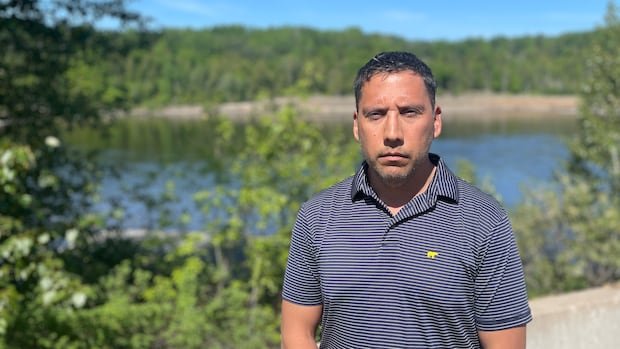

Leonard Nicholas, the fishery strategy director for Tobique First Nation, views Atlantic salmon from a unique perspective, considering them as kin or forebears rather than just fish. Describing the salmon as longstanding inhabitants of the region, he emphasizes the community’s dedicated efforts to preserve them.
The Tobique River, integral to Nicholas’s heritage, is a tributary of the Wolastoq, or St. John River, historically abundant with tens of thousands of salmon. However, recent counts by the federal Department of Fisheries and Oceans show a significant decline, with only a few hundred salmon returning annually to the river’s Mactaquac Dam.
To combat the declining population, the DFO-operated Mactaquac Biodiversity Facility has played a crucial role in sustaining the salmon. Despite its efforts, biologist Tommi Linnansaari compares the situation to keeping a patient on life support, indicating the precarious state of the salmon population.
The facility’s impending closure in the fall has raised concerns among First Nations and biologists, foreseeing adverse impacts on the Wolastoq salmon. Nicholas expresses disappointment over the sudden announcement, highlighting the lack of consultation and support from DFO.
In response to the closure, Nicholas and his team have taken on the responsibility of collecting juvenile salmon above N.B. Power’s Tobique River dam. With no facility to raise the smolts, they are collaborating with the Canadian Rivers Institute at UNB to transport them downstream.
Despite conservation efforts, the Wolastoq salmon face challenges. John Perley, a former fisheries director, questions the delay in recognizing the salmon as endangered under the Species at Risk Act. Scientists attribute the population decline to various factors such as dams, pollution, and climate change.
The complex process of determining the endangered status of the Wolastoq salmon involves scientific assessments and governmental decisions. However, challenges persist in listing marine fishes as endangered, as socio-economic considerations and political factors influence the final decision-making process.
Representatives from Kingsclear First Nation have advocated for continued support for the outer Bay of Fundy salmon, emphasizing the cultural significance of these fish to the Wolastoqey community. While discussions continue at the federal level, the fate of the endangered salmon remains uncertain.
In conclusion, the conservation efforts for the Wolastoq salmon reflect a delicate balance between ecological preservation, cultural heritage, and political considerations. As stakeholders navigate these complexities, the future of the iconic Atlantic salmon species hangs in the balance.