
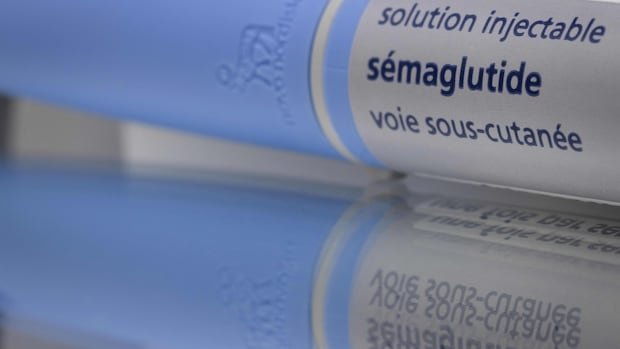

Ever since leaving the navy, Michael McCluskey, aged 61, was known for his heavy drinking habits, consuming an average of four to five drinks per night, with occasional spikes up to 10 drinks not being uncommon for him. However, a pivotal change occurred four years ago when he began using Ozempic for weight loss. Shedding 110 pounds, McCluskey also lost his craving for alcohol significantly. Presently, he only imbibes twice a year, during his sci-fi conventions.
McCluskey’s experience is not an isolated case. Research analyzing historical patient data has established a correlation between glucagon-like peptide-1 receptor agonist drugs (GLP-1 RAs) such as Ozempic and a diminished inclination towards various vices, encompassing alcohol, nicotine, cannabis, and opioids. Another study, delving into social media posts, hinted at reduced habits like caffeine consumption and compulsive shopping as well.
The mechanism through which drugs like Ozempic suppress cravings for addictive substances remains unclear to scientists. Nevertheless, ongoing research is exploring potential explanations, especially in Canada, where advancements in this area hold particular significance amid a mounting opioid crisis.
On the research front, there have been limited randomized clinical trials examining whether GLP-1 RAs mitigate addictive behaviors. Notably, only two trials have explored their effects on alcohol addiction, none on opioid dependence, and two on nicotine addiction. One of these trials, led by Christian Hendershot, a Canadian researcher based in California, investigated the impact of GLP-1 RAs on alcohol consumption, revealing that individuals receiving semaglutide, the active component in drugs like Ozempic, consumed significantly less alcohol compared to those on a placebo.
The potential of GLP-1 RAs in addressing addiction has sparked enthusiasm among researchers in Canada. Given the escalating challenges of substance use nationwide, with substantial percentages of the population at risk of alcohol use disorder, cannabis abuse, and opioid-related deaths, experts are eager for further evidence to substantiate the efficacy of these drugs in addiction treatment.
While the promise of GLP-1 RAs is encouraging, caution is advised until more extensive and longer-term studies can validate their effectiveness and safety across various conditions. Research is ongoing to ascertain the drugs’ impact on motivation, pleasure, and their potential in treating addiction and mood disorders. Amidst the optimism, experts stress the importance of holistic approaches to addiction treatment, incorporating lifestyle changes and psychological support alongside medication interventions.
In conclusion, the evolving landscape of addiction research presents promising avenues for leveraging GLP-1 RAs in combatting substance abuse, but the journey from hype to evidence-based practice requires thorough scrutiny and comprehensive understanding to ensure positive outcomes for individuals struggling with addiction.