
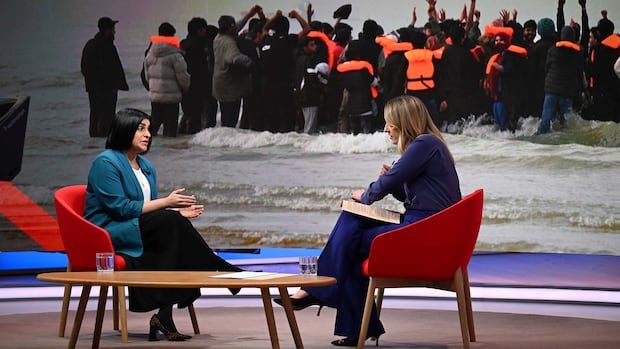

Britain has announced significant changes to its asylum policy, including making refugee status temporary with a waiting period for permanent settlement extended to 20 years. This move comes as part of the government’s efforts to tighten immigration policies, particularly focusing on illegal small-boat crossings from France, in response to the rise of the populist Reform UK party.
Inspired by Denmark’s tough approach, the UK’s new policy will eliminate the obligation to provide support such as housing and allowances to certain asylum seekers. The Home Office stated that support would be prioritized for those actively contributing to the economy and local communities, with a focus on individuals who can work but choose not to or those who engage in criminal activities.
Refugee protection will now be considered temporary, subject to regular reviews, and could be revoked if the individual’s home country is deemed safe. The Home Secretary, Shabana Mahmood, emphasized that the UK’s asylum system is more generous compared to other European countries and highlighted the need for changes to ensure a fairer process.
Under the revised policy, refugees will undergo status reviews every 2½ years, leading to a longer path to permanent settlement of up to 20 years in the UK. Mahmood promised to provide further details, including updates on Article 8 of the European Convention of Human Rights, which the government aims to adjust to prevent the misuse of rights for those not eligible to stay in the country.
Despite the government’s intentions to align with European standards, the stricter approach has faced criticism from over 100 British charities, urging an end to policies that fuel racism and violence. With immigration becoming a top concern for British voters, the government aims to create more safe and legal routes for asylum seekers while maintaining a balanced approach to integration and support.
The reforms seek to mirror and even surpass the standards set by Denmark and other European nations, where temporary refugee status, conditional support, and societal integration are emphasized. Denmark’s immigration policies have significantly reduced asylum claims and led to the deportation of a high percentage of rejected applicants, despite facing criticism for creating a hostile environment for migrants and prolonging uncertainty for asylum seekers.
In response to the changes, the Refugee Council emphasized that refugees do not choose their asylum destination based on comparing systems but often have personal ties, language proficiency, or existing connections that draw them to the UK for safety and a fresh start.