
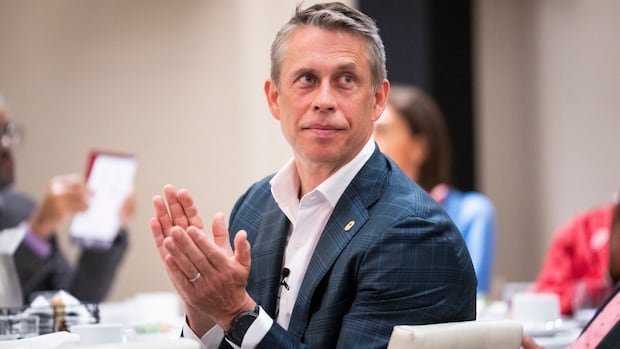

In his quest for the Canadian prime ministerial position, Mark Carney employed sports as a strategic tool. His “elbows up” campaign slogan garnered widespread support, and in a noteworthy ad, he joined forces with renowned actor Mike Myers just outside a hockey rink. Carney’s victory in the election was fueled by leveraging hockey imagery to counter U.S. threats.
The recent 4 Nations Face-Off, the first top-tier men’s hockey tournament since 2016, reignited the nation’s passion for hockey. The event culminated in Connor McDavid’s overtime goal, securing a victory over the United States. Canadians have a strong affinity for hockey, but the sentiment extends to other sports like the Blue Jays’ World Series, the Raptors’ 2019 championship, Bianca Andreescu’s U.S. Open win, and the men’s 4×100-metre relay gold at the Paris Olympics.
Despite the evident national enthusiasm for sports, the government has failed to prioritize increased funding for the sector. The stagnation of core funding for the past two decades and impending budget cuts for national sport organizations (NSOs) present a concerning situation. Adam van Koeverden, the Olympic sprint kayak champion and current secretary of state for sport, emphasized the need for continuous development and enhanced investment in sports.
A Deloitte report commissioned by the Canadian Olympic Committee in 2019 highlighted the significant economic benefits of sports activities. The report revealed that a one percent increase in physical activity could result in $1 billion in annual savings for the federal government. Additionally, sport tourism contributed $7.4 billion to Canada’s economy in the same year.
The Future of Sport in Canada Commission, established in 2023 to evaluate the country’s sports landscape, recommended an urgent increase in core funding for NSOs and Para sport organizations. The commission stressed the necessity of adequate funding to support operations, enhance safe sport practices, and address long-term priorities.
Government funding is crucial for NSOs, with 90 percent relying on it as a primary revenue source. While corporate sponsorships remain vital, securing partnerships can be challenging for NSOs lacking mainstream appeal. The financial strain faced by NSOs trickles down to athletes, impacting their performance and overall development.
Efforts to combat the safe-sport crisis have also strained finances within the sports sector. The establishment of oversight mechanisms, independent reporting bodies, insurance coverage, and training programs incur additional costs. Despite the financial challenges, prioritizing safe sport practices is essential to ensure the integrity and sustainability of the sports system.
The funding landscape remains complex, with various factors contributing to the financial challenges faced by Canadian sports. As the government prepares to unveil the 2025 federal budget, the need for increased funding to support grassroots sports participation and high-performance excellence becomes increasingly pressing.