

Edmonton Elections faced various challenges leading to delays in the voting and counting process during the city’s municipal election. The election agency cited labor shortages, power outages, and technological issues as the primary reasons for the disruptions, according to a statement released on Tuesday.
Due to long lines at polling stations, some voting locations had to extend their hours beyond the 8 p.m. MT deadline on Monday to accommodate all voters, with initial results not being available until nearly 10:30 p.m. Counting was briefly halted at 1 a.m. on Tuesday but resumed at 9 a.m. to determine the new mayor and council members for Edmonton.
By 2 p.m., Tim Cartmell conceded the race, congratulating three-term city councilor Andrew Knack as the mayor-elect of Edmonton. The voter turnout for the election was reported at 30.27%, with 205,758 out of 679,830 eligible voters participating, marking the lowest turnout since 2007.
Municipal Affairs Minister Dan Williams expressed concern over the delays, emphasizing the importance of efficient election processes. While some municipalities managed to deliver timely results, Williams acknowledged the challenges faced by Edmonton Elections, including labor shortages and technical issues.
Following the election, concerns were raised by citizens like Susan Babcock regarding the switch to paper ballots, suggesting that proven technology for automated vote counting could have been a more efficient alternative. City councilors Michael Janz and Aaron Paquette criticized the provincial government for implementing changes that led to additional costs and lengthy wait times for voters.
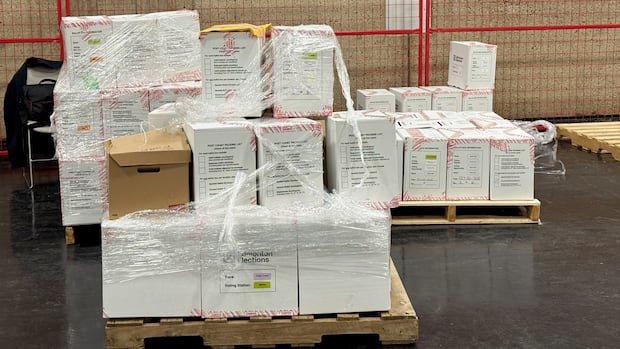
Edmonton Elections assured the public that the counting process was well underway, with 30% of all votes counted on the election night itself. The agency aims to release preliminary results promptly as ballots are verified, with the count center at the Edmonton Expo Centre actively working on processing the remaining ballots.