
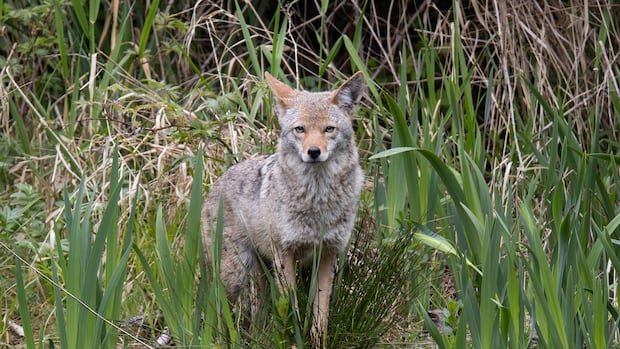

Residents near Vancouver’s largest urban park witnessed an unusual surge in coyote attacks between December 2020 and August 2021, with a total of 45 incidents reported. This alarming trend prompted authorities to approve the culling of 11 coyotes in Stanley Park. Despite the rarity of coyote attacks, the spike in aggression was unprecedented, occurring approximately once every six days in a concentrated area.
Research led by Nathan Lewis, a zoology doctoral candidate at the University of British Columbia, explored the reasons behind this surge in coyote attacks. The study, recently published in the journal Animal Behaviour, linked the increased aggression to the COVID-19 lockdowns. With more people flocking to the park during the pandemic restrictions, the coyotes became habituated to human presence, leading to a higher likelihood of aggressive encounters.
The study also highlighted the impact of human behavior on coyote interactions. Evidence suggested that feeding coyotes during the study period contributed to their association of humans with food, increasing the risk of aggressive behavior. Notably, two individuals were arrested for allegedly feeding coyotes in Stanley Park shortly after a culling operation.
To enhance public safety, the study recommended avoiding known den sites to reduce the risk of defensive aggression. It also emphasized the elevated risk for solo runners and advised informing individuals about potential encounters during low human activity hours. Calls for improved signage, language accessibility, and enforcement of bylaws were echoed by wildlife conservation advocates to promote peaceful coexistence with wildlife.
Education, enforcement, and responsible behavior were underscored as key components in fostering harmony between humans and wildlife, emphasizing the need for sustainable solutions beyond culling efforts.