
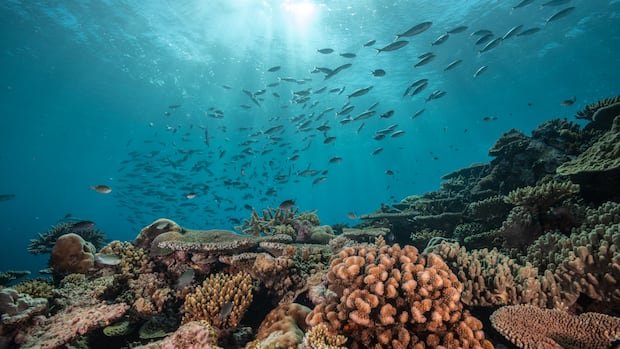

At a time when positive updates on coral reefs are scarce, there is a glimmer of hope amid the challenges they face. Recent research unveiled at the Our Ocean Conference in Mombasa, Kenya, reveals a surprising resilience in coral reefs despite rising ocean temperatures due to climate change.
The study, currently undergoing peer review, identified nearly 166,000 square kilometers of potentially climate-resilient reefs globally. These reefs have demonstrated the ability to withstand high temperatures for various reasons, offering a ray of hope for their survival.
By collaborating with the tech non-profit SkyTruth, researchers have mapped these resilient reefs, with a significant portion located in the coastal waters of the Bahamas, Cuba, Australia, Indonesia, and the Philippines. Building on previous research from 2018, which focused on 50 reefs with the best chances of survival if appropriately protected, this new analysis pinpoints specific areas for conservation efforts.
Experts view this research as a critical tool for focusing conservation initiatives, especially for communities reliant on reefs for sustenance and economic stability. The study provides a beacon of hope amidst the challenges faced by coral reefs globally.
Despite the ongoing threats posed by climate change and other stressors, the findings offer insights into how some coral reefs manage to avoid, resist, and recover from environmental pressures. This resilience is attributed to various factors such as geographic location, unique microbial and algal compositions, and the capacity of certain corals to rebound after disturbances.
The research underscores the importance of targeted conservation efforts to safeguard coral reefs and highlights the need for strategic investments in marine protection and restoration initiatives. While the road ahead is fraught with challenges, understanding and preserving the diversity of resilience within coral reefs can help mitigate risks and ensure a sustainable future for these vital ecosystems.