
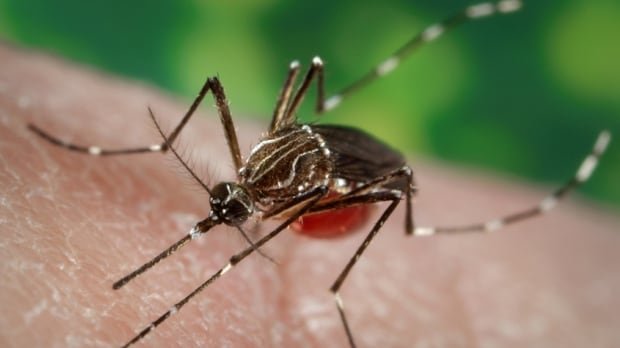

Inside a biological sciences laboratory at the University of Manitoba, Professor Steve Whyard is seen attending to a colony of yellow fever mosquitoes bred for research purposes. Whyard points out the numerous eggs within the screened cage, emphasizing the team’s efforts to study methods for mosquito population control without resorting to pesticides.
As summer approaches, signaling the peak mosquito season in Canada, public health agencies in the U.S. and Mexico are enhancing mosquito surveillance in host cities due to the influx of international visitors and fans for the FIFA World Cup. Conversely, Canada maintains its existing seasonal tracking approach without significant alterations.
In Whyard’s lab, the mosquitoes are fed a specialized diet of RNA cocktails to target specific genes related to reproduction. By manipulating genes involved in sperm production in males and female development in larvae, the aim is to render the mosquitoes sterile effectively.
The strategy involves releasing sterilized male mosquitoes to compete with wild males for females, disrupting the reproduction cycle without causing harm to other species. This method requires releasing large numbers of mosquitoes in stages throughout the season to effectively manage the population.
Although Canada has low infection rates for mosquito-borne diseases, cases of West Nile virus are prevalent. Other diseases like yellow fever, dengue fever, Zika, and chikungunya are travel-acquired, with a notable increase in cases reported annually.
Experts caution that climate change and environmental factors like deforestation are expanding the habitat of mosquitoes, including the Asian tiger mosquito, known for transmitting various diseases. Researchers worldwide are exploring innovative solutions, such as a portable mosquito-zapping laser device developed by a Chinese startup and genetic modifications to prevent disease transmission.
The Gates Foundation is actively investing in eradicating mosquito-borne diseases through advanced technologies and interventions. However, the use of genetic modification raises ethical and regulatory concerns, as reversing the effects once released into the environment poses challenges.
Public engagement and education are deemed crucial alongside scientific advancements to address concerns and build trust. The Public Health Agency of Canada involves citizens in monitoring invasive mosquito species through initiatives like the Tiger Mosquito Citizen Science study.
Despite advancements in mosquito control technologies, regions like northern Canada rely on traditional methods due to the low prevalence of disease-carrying mosquitoes. In Winnipeg, larvicide spraying on standing water remains the primary approach for mosquito control.
Overall, the battle against mosquitoes continues to evolve globally, with a mix of high-tech solutions and community involvement shaping the strategies to combat these disease-carrying pests.