
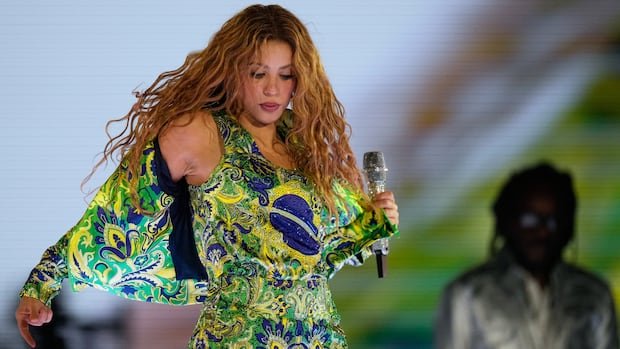

Colombian music icon Shakira held a complimentary performance at Copacabana Beach in Rio de Janeiro on Saturday evening, attracting an estimated two million attendees, as per the city’s mayor. This event was part of her global tour, “Las Mujeres Ya No Lloran” (Women No Longer Cry), named after her 2024 album, following previous concerts by Madonna and Lady Gaga that drew massive crowds to the beach.
Starting more than an hour later than scheduled, Shakira’s performance commenced around 11 p.m. local time, greeted by ecstatic fans and applause as skywriting drones spelled out “I love you Brazil” in Portuguese overhead. Reflecting on her first visit to Brazil three decades ago, Shakira expressed gratitude to her fans, saying, “Life is magical.”
During the show, the renowned singer delivered popular hits like “Hips Don’t Lie,” “La Tortura,” and “La Bicicleta,” concluding with “BZRP Music Sessions #53/66,” released post her separation from Gerard Piqué. She also highlighted women’s strength and resilience, emphasizing how they rise stronger after every fall.
Rio Mayor Eduardo Cavaliere confirmed a record attendance of two million people, noting Shakira’s historical connection with Brazil dating back to her early performances there. Ethnomusicologist Felipe Maia attributed Shakira’s success in Brazil to cultural similarities between Colombia and Brazil, culminating in a long-standing relationship celebrated during the recent performance.
Local fans, like 38-year-old accountant Erica Monteiro, praised Shakira for embodying the Latino community’s resilience. The concert’s significance in solidifying Brazil’s Latino identity was echoed by attendees like Hellem Souza da Silva, who likened it to Bad Bunny’s impact in Sao Paulo earlier in the year.
To boost post-Carnival economic activity, the city organized the free concert as part of its strategic plan, aiming to stimulate tourism and local businesses. Mayor Cavaliere projected a substantial financial return from Shakira’s performance, estimating a potential revenue of 777 million reais. The event attracted tourists not only from Brazil but also from Latin American regions and European cities like Paris and London.
The concert drew crowds early in the day, with street vendors offering Brazilian snacks and beverages to concertgoers. The positive impact of such events on the city’s economy and cultural identity was emphasized by the mayor, indicating a significant return on investment from the show.