

Newfoundland and Labrador’s hydroelectric agreement with Quebec faces uncertainty following a change in government. The agreement, known as the Churchill Falls MOU, aims to replace the longstanding 1969 contract, which has been criticized as unfair to Newfoundland and Labrador. Signed last December, the MOU includes plans for new hydroelectric projects, notably the Gull Island project set for completion in 2035. Newfoundland and Labrador Hydro and Hydro-Québec also intend to enhance production at the existing Churchill Falls complex and construct a second plant at Churchill Falls.
With the Progressive Conservative party led by Tony Wakeham securing a majority government, doubts have been raised about the future of the hydroelectric deal. Wakeham, the premier-designate, has pledged not to proceed with any agreements concerning the Churchill River without the approval of voters through a referendum. He emphasized the importance of developing resources for the benefit of local communities, signaling a shift away from past rubber-stamp governance.
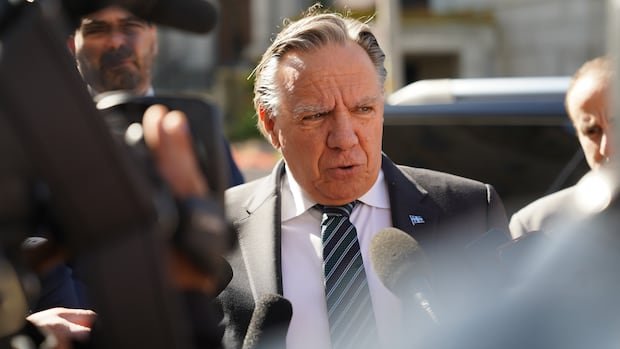
Wakeham promised to conduct a thorough independent review of the deal and make the findings public. He stated that if necessary, the agreement would be amended or renegotiated to ensure fairness. Quebec Premier François Legault expressed support for the agreement, calling it beneficial for both provinces and committing to continued collaboration with Newfoundland and Labrador. Hydro-Québec echoed Legault’s sentiments, affirming the fairness and benefits of the current agreement.
The MOU is anticipated to generate over $200 billion for both provinces over the next 50 years. Legault, in his final year of the second mandate as Quebec’s premier, is set to face reelection on October 5, 2026.