
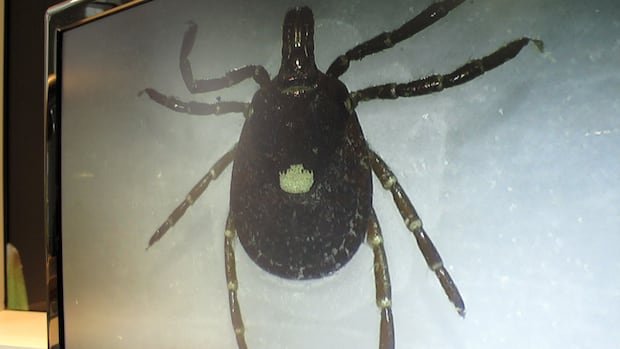

Canadians are being warned about a gradual influx of ticks from the United States, posing a potential health risk due to the presence of dangerous pathogens. Over 40 tick species are already found in Canada, with the blacklegged tick being the most notorious for transmitting Lyme disease, characterized by symptoms like fever, fatigue, and a distinctive rash.
The Canadian Tick Research and Innovation Centre, led by Nicoletta Faraone at Acadia University in Nova Scotia, aims to study and address tick-related diseases. With the absence of a Lyme vaccine, concerns are heightened as ticks can carry multiple pathogens. Experts note a steady migration of tick species from the northern U.S., with the lone star tick, known to cause severe meat allergies, being of particular worry.
In Maine, instances of lone star tick bites resulting in meat allergies have been reported. The research facility is actively studying tick behavior and reproduction patterns to enhance understanding and develop effective preventive measures. Notably, the Asian long-horned tick, which poses risks to cattle health, is also a growing concern in Nova Scotia.
Farmers like Tim Marsh are taking proactive measures to protect their livestock from tick-borne diseases, acknowledging the financial risks associated with untreated infections. While some tick-repelling products are available, further research is needed to combat rare diseases like the Powassan virus, underscoring the importance of vigilance and regular tick checks when outdoors.
Simple precautions such as tucking in clothing and thorough tick inspections are recommended to mitigate risks. The ongoing research and monitoring efforts by the Canadian Tick Research and Innovation Centre are crucial in preparing for potential tick-related health challenges in Canada.