
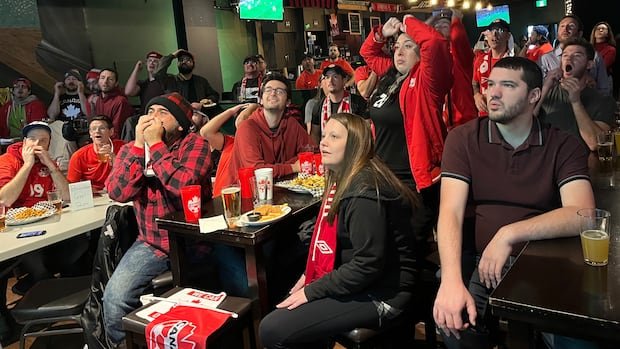

With the upcoming World Cup expected to draw in a large number of soccer fans to the city, local bars and restaurants view the event as a lucrative business opportunity. However, they must be cautious in their marketing strategies to avoid infringing on FIFA’s strict intellectual property guidelines, which could result in legal action.
In a review of FIFA’s branding regulations, CBC News delved into the organization’s intellectual property guidelines and hosting addendum with the city. The rules stipulate that commercial establishments not affiliated with FIFA as licensed partners are prohibited from using terms like “FIFA” and “World Cup” in their promotions. Additionally, the use of trademarked images such as the official World Cup trophy is also restricted.
Cheri Bradish, a sports marketing professor at Toronto Metropolitan University, explained that these stringent measures are common among major sporting events to protect the interests of official sponsors. She highlighted FIFA’s efforts to safeguard the reputation of partners who have invested significant amounts to associate their brands with the World Cup.
FIFA’s official partners, including Coca-Cola, The Home Depot, and Adidas, enjoy exclusivity within the tournament’s marketing realm. However, businesses and the public can still partake in the celebration by focusing on generic football or country-related imagery and language, as outlined in FIFA’s guidelines.
Notably, Toronto’s hosting of six FIFA matches at Toronto stadium necessitates adherence to specific regulations. The venue, temporarily renamed for compliance purposes, will host the first game between Canada and Bosnia and Herzegovina on June 12. During match days and the lead-up to games, stricter protocols are enforced, including the establishment of “clean zones” around stadiums and FIFA Fan Fest venues to limit unauthorized commercial activities.
Businesses within these designated zones are prohibited from promoting brands that may compete with FIFA or its partners. Even tour guides attending matches must refrain from visibly representing their companies with logos or signage. The restrictions extend to sponsor conflicts, such as Burger King refraining from advertising within clean zones due to McDonald’s official sponsorship.
Toronto city officials, like Sharon Bollenbach, the executive director of the FIFA World Cup, emphasized a combination of educational outreach and bylaw enforcement to safeguard FIFA’s intellectual property. The city plans to increase enforcement measures in key areas like Exhibition Place, Liberty Village, and near the FIFA Fan Festival at Fort York and The Bentway during the event.
To navigate the copyright restrictions, some Toronto establishments are employing innovative strategies to attract patrons. George Diamantouros, manager of Sneaky Dee’s, acknowledges the challenge of promoting World Cup games without using protected language, citing past experiences with copyright disputes. Rocco Mastrangelo Jr., co-owner of Cafe Diplomatico, highlighted the importance of partnerships with official sponsors like Coca-Cola and Labatt Brewing Company to ensure compliance while leveraging their logos.
In light of the intense regulations surrounding the FIFA World Cup, small businesses are finding ways to abide by the rules while still engaging with the event. The tournament, being a global spectacle with substantial sponsor investments, necessitates strict protection of intellectual property to preserve the interests of stakeholders.