
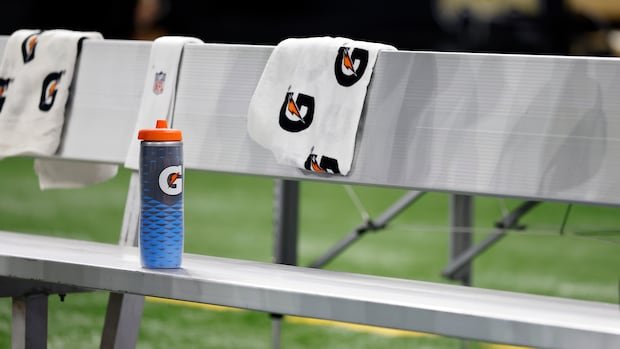

Gatorade, the pioneer of sports drinks six decades ago, is shifting its focus away from just athletes. PepsiCo, the parent company of Gatorade, announced a new strategy to target non-athletes seeking hydration solutions for various everyday situations like traveling, walking, or recovering from a hangover. The brand is emphasizing the specific benefits and scientific research behind its range of drinks and powders in redesigned packaging.
The shift aligns with the growing trend among U.S. consumers who are increasingly interested in beverages offering perceived health advantages. According to Jack Doggett, a food and beverage analyst at Mintel, a significant portion of sports drink buyers, around 60%, are not athletes but seek the functional elements in these drinks such as electrolytes for hydration and carbohydrates for energy. The usage of sports drinks has evolved from solely athletic purposes to include overall wellness and daily maintenance for consumers across different age groups.
Sales of sports drink mixes, including powders from brands like Liquid I.V., Skratch Labs, and Gatorade, surged by nearly 20% in the year ending March 22, outpacing the flat growth in bottled water sales during the same period. This growth potential has attracted numerous new sports and hydration brands to enter the market, with over 150 new brands emerging in recent years, according to Mike Del Pozzo, President of U.S. beverages at PepsiCo.
To differentiate itself in the crowded market, Gatorade plans to introduce new products like Gatorade Longer Lasting, a drink that combines glycerin and electrolytes to enhance hydration compared to water alone. The company aims to clearly label products that offer superior hydration benefits, emphasizing the scientific research behind them. PepsiCo’s strategy with Gatorade mirrors similar moves made by competitors like Powerade and Liquid I.V., adapting to the evolving consumer preferences for wellness-oriented beverages.
Gatorade’s roots trace back to 1965 when Dr. Robert Cade, a physician at the University of Florida, developed the drink to address electrolyte loss in football players. Acquired by Quaker Oats in 1983 and later by PepsiCo in 2000, Gatorade has continued to evolve its product lineup to cater to athletes’ needs while also appealing to a broader consumer base. The company’s introduction of lower-sugar options and the removal of artificial colors have been well-received by customers, driving brand loyalty and market growth.
In conclusion, while Gatorade remains committed to meeting the hydration needs of athletes, its expansion into the non-athlete market segment reflects the shifting consumer preferences towards healthier beverage choices. By innovating its product offerings and emphasizing scientific research, Gatorade aims to maintain its position as a leading brand in the sports and hydration industry.