
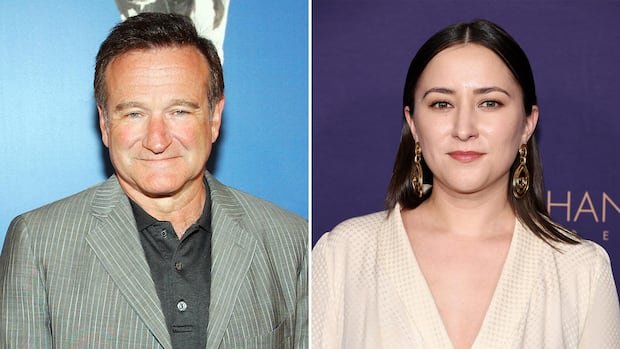

Zelda Williams, known as an actress, director, and daughter of the late Robin Williams, recently expressed her strong disapproval of artificial intelligence (AI) recreations of her father. She took to Instagram to address the issue, calling the AI videos of her dad “disgusting” and urging people to stop sending them to her. Williams emphasized that she does not want to see or understand these AI creations and would ban anyone trying to upset her with such content.
In her Instagram story, which has now expired, Williams made a heartfelt plea for decency, asking people to refrain from creating AI versions of her father or any other individual. She stressed that these recreations are disrespectful, a waste of time and energy, and not something her father would have wanted.
Robin Williams tragically passed away in 2014 at the age of 63, with an autopsy revealing he had Lewy body dementia. Zelda Williams criticized the reduction of real people’s legacies into mere AI simulations, denouncing the practice as disrespectful and likening it to serving up processed content to gain social media approval.
Williams’s stance echoes her previous remarks in 2023 when she addressed the issue of AI recreations following statements by the American acting union SAG-AFTRA. The union had highlighted AI as a significant bargaining issue during their strike, prompting Zelda Williams to speak out against the disturbing nature of AI recreations, emphasizing the broader implications beyond personal feelings.
The debate surrounding AI recreations extends beyond the entertainment industry, with various sectors grappling with the implications of generative AI technology. The emergence of AI-generated text winning literary awards, the rise and fall of NFTs, and the creation of AI-generated music have raised concerns about the impact on artistic expression and human creativity.
As the conversation between unions and studios unfolds, Williams’s concerns shed light on the broader use of AI by the general public through accessible generative AI tools. Recent advancements, such as OpenAI’s Sora 2, have sparked controversy due to their potential to create realistic yet controversial content, raising copyright and ethical issues.
The clash between copyright holders and AI creators has led to legal battles, with companies like Disney and Universal taking action against AI generators for alleged copyright infringement. Filmmakers and industry veterans have also voiced skepticism about the soullessness of AI-generated content, emphasizing the importance of human creativity in artistic endeavors.