
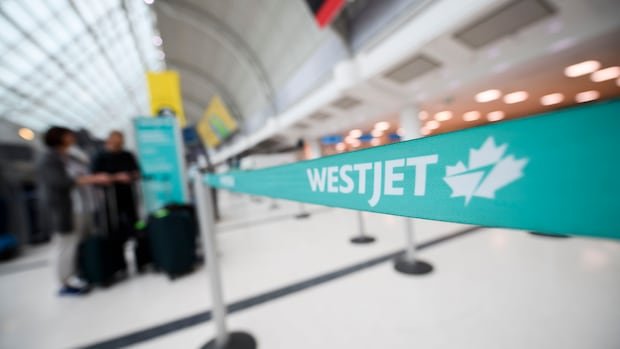

The labor union representing 4,400 flight attendants at WestJet has given a 72-hour strike notice, raising the possibility of a strike during the busy summer travel season. The Canadian Union of Public Employees reports significant differences between the two parties on crucial matters.
Alia Hussain, chair of the union’s WestJet group, stated in a press release on Thursday that they have clearly outlined necessary changes and have diligently pursued a fair agreement. Hussain emphasized the ongoing efforts to avoid a strike, mentioning continuous negotiations to resolve the dispute.
WestJet responded to the union’s strike notice by issuing a 72-hour lockout notice. The airline, the second-largest in Canada, expressed active engagement in negotiations to secure a deal. WestJet CEO Alexis von Hoensbroech expressed regret for the inconvenience caused to travelers and the uncertainty surrounding the situation.
While the union’s notice does not automatically lead to a strike, the potential job action could commence as early as 12:01 a.m. MT on Sunday if an agreement is not reached. WestJet has been accommodating passengers with flights scheduled between July 30 and August 4 by allowing one-time changes or cancellations without fees.
In case of flight disruptions, the airline assured affected guests of refunds or alternative arrangements. An agreement was also reached between the parties outlining procedures for grounding aircraft and assisting cabin crew in the event of a work stoppage.
A key concern for the union is the issue of unpaid ground duties, contrasting with WestJet’s stance that all duties are compensated through a credit hour system rather than an hourly wage. The potential financial impact of a strike during the peak summer travel period has been highlighted by aviation management expert John Gradek from McGill University.
WestJet operates over 600 daily flights, transporting a substantial number of passengers, with certain days seeing more than 70,000 travelers. The airline has taken measures to mitigate the impact of a strike on passengers, particularly those booked on its regional service or code-share flights.
The situation remains fluid, with the possibility of flight disruptions looming if an agreement is not reached soon. Both sides continue to negotiate with the aim of averting a strike and reaching a mutually beneficial resolution.