
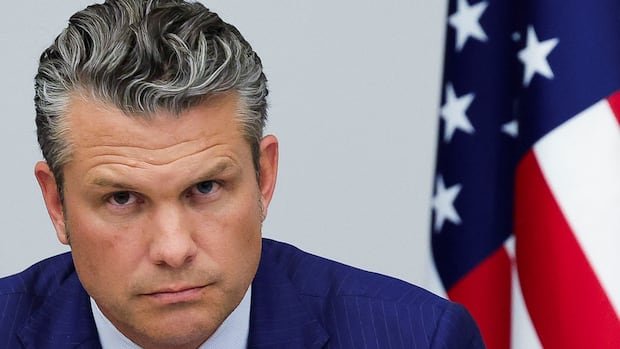

The United States military conducted its ninth operation against a suspected drug-carrying vessel in the eastern Pacific Ocean, resulting in the deaths of three individuals, as communicated by U.S. Defense Secretary Pete Hegseth via social media. This action followed a previous strike the night before that also took place in the eastern Pacific and resulted in the deaths of two people, as reported by Hegseth. These recent operations mark a deviation from the previous seven strikes in the Caribbean region, bringing the total death toll from these incidents, which commenced the previous month, to at least 37.
These strikes signify an expansion of the U.S. military’s operational scope to the waters off South America, a key trafficking route for cocaine from major producers worldwide. Hegseth drew parallels between the ongoing combat against terrorism declared after the September 11, 2001 attacks and the current administration’s enforcement efforts.
President Donald Trump has defended these actions by asserting that the U.S. is in an “armed conflict” with drug cartels, labeling them as unlawful combatants, akin to the justification used by President George W. Bush’s administration during the war on terrorism. Trump hinted at the possibility of future strikes on land, emphasizing readiness for such actions and potential consultations with Congress on the matter.
There have been bipartisan concerns raised by lawmakers regarding the authorization and transparency of these military operations ordered by Trump. Secretary of State Marco Rubio supported the strikes, stating that halting drug trafficking to the U.S. would prevent such confrontations.