

The United States is preparing to prohibit specific Canadian imports starting Tuesday, marking the next phase of a trade dispute that has already resulted in significant tariffs on products from both countries. This ban, set to take effect at 12:01 a.m. ET, will impact various items such as alcoholic beverages, dairy derivatives, molasses, and motorcycles.
While these restrictions will further strain businesses in these sectors, they are not anticipated to cause widespread economic disruption like previous tariffs. The primary objective of these bans, according to a senior White House official and trade experts, is to dissuade Canada and other nations from retaliating against the economic policies of the Trump administration.
According to Derek Holt, an analyst at Scotiabank, the impact of the bans on alcohol, dairy, and motorcycles is expected to be minimal due to Canada’s limited dairy and motorcycle exports to the U.S. Conversely, alcohol exports to the U.S. were valued at approximately $1.2 billion last year.
The ban on alcohol encompasses a wide range of products including beer, wine, spirits, and various liquors. Spirits account for the majority of Canadian alcoholic exports to the U.S. Despite concerns raised by industry experts, the ban may not have a significant impact given the existing high tariffs on these products.
The dairy import restrictions specifically target whey products, a byproduct of cheese-making used for protein enhancement. While Canada is a major source of whey imports to the U.S., the banned whey products constitute only a fraction of the total. The surge in demand for protein-rich goods has caused shortages and price hikes, affecting businesses like BioSteel Sports Nutrition.
The ban on molasses products, including invert and cane molasses, follows pressure from American sugar producers seeking higher tariffs on foreign sugar imports. These producers allege that Canadian refineries are circumventing tariffs by misrepresenting sugar mixes as pure molasses.
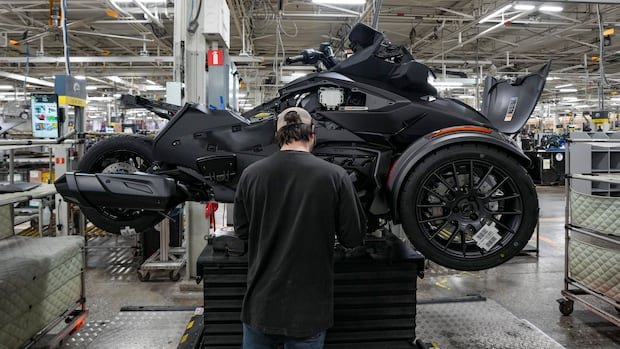
Regarding motorcycles, Canada’s export volume is relatively low, with only 5,092 motorcycles shipped in 2025. The ban will have a limited national impact, but it will be felt in Quebec, where certain motorcycle models are being produced. Companies like BRP, known for Ski-Doo snowmobiles and Can-Am vehicles, will face restrictions on certain models entering the U.S. market, affecting their bottom line starting next spring.
In conclusion, while these bans are set to disrupt specific sectors, their overall economic impact is projected to be modest. The ongoing trade tensions continue to pose challenges for businesses on both sides of the border.